

It often starts subtly—a slight tingling in the toes, perhaps a feeling like you're walking on cotton. Over time, that tingle can turn into a burning sensation, sharp pains, or a complete loss of feeling. For millions of Americans living with diabetes, this progression is a familiar and often frightening reality known as diabetic neuropathy.
This condition does more than just cause physical discomfort; it impacts every aspect of daily life. From the fear of losing balance to the sleepless nights spent trying to find a comfortable position, neuropathy can feel like a slowly tightening grip on your independence. The mental toll of chronic pain, combined with the worry about future complications, can be overwhelming.
However, a diagnosis of diabetic neuropathy does not mean you have to accept a life of increasing pain and numbness. Early detection and a multi-faceted approach to treatment can make a profound difference. Residents in 63131, MO, are uniquely positioned near dedicated resources that prioritize relief and restoration. By understanding the root of the issue and exploring both conventional and holistic care options, it is possible to slow the progression of symptoms and, in many cases, reclaim a quality of life that felt lost.
Diabetic neuropathy is a type of nerve damage that can occur if you have diabetes. High blood sugar (glucose) can injure nerves throughout the body. Diabetic neuropathy most often damages nerves in your legs and feet.
While the physical symptoms are the most obvious, the condition acts as a silent thief, stealing your balance, your ability to feel the ground beneath you, and eventually, your independence. Understanding how it manifests is crucial for seeking the right treatment.
Over time, high blood glucose levels, along with high levels of fats such as triglycerides, damage the delicate coating of your nerves. High blood sugar also weakens the walls of the small blood vessels (capillaries) that supply the nerves with oxygen and nutrients. Without necessary oxygen, the nerves cannot function correctly and eventually begin to die. This damage disrupts the signals between the brain and other parts of the body.
Neuropathy isn't a singular experience; it presents differently depending on which nerves are affected.
The symptoms can range from mild to disabling. Early detection is vital, so pay attention if you experience:
Treatments of Diabetic Neuropathy 63131 MO
Before diving into advanced diabetic neuropathy therapies, we must address the foundation of diabetic health: blood sugar management. No treatment can be fully effective if glucose levels remain consistently high, continuing to assault the nervous system.
Maintaining healthy blood sugar levels is the most effective way to prevent neuropathy or slow its progression. Stable glucose allows capillaries to repair themselves, improving blood flow and reducing nerve damage. This minimizes stress on nerve fibers, fostering a better environment for healing and delaying further complications of diabetic neuropathy.
While blood sugar management can stop the damage from getting worse, it often does not reverse the pain or numbness that has already set in. This is where additional therapeutic interventions become necessary.
When patients first present with neuropathy symptoms, the standard medical approach often involves a prescription pad. Doctors frequently prescribe medications originally developed for seizures or depression, such as gabapentin, pregabalin, or duloxetine.
While these medications can be effective at dulling the pain signals sent to the brain, they fail to address the underlying issue: the damaged nerves themselves. Instead of promoting healing or repair, they act as a temporary "Band-Aid" solution. By masking the symptoms rather than treating the root cause, these medications may provide relief but do little to improve the long-term health of the patient. This can lead to a cycle where the underlying problem persists or worsens over time.
In addition to being a short-term fix, these medications often come with a significant list of side effects that can impact overall well-being and quality of life. For example:
For many patients in 63131, the trade-off isn't worth it. They find themselves trading pain for a state of constant lethargy. Physical therapy is another common avenue, and while it helps with strength and balance, it can be painful for those with severe sensitivity. This gap in effective care drives many to seek alternative, evidence-based solutions.

Treatments of Diabetic Neuropathy
Chiropractic care is widely misunderstood as being solely for back pain or headaches. However, at its core, chiropractic is about the nervous system. Since neuropathy is a condition of nerve damage, chiropractic care offers a logical and effective avenue for treatment.
The spine safeguards the spinal cord, the primary highway for nerve signals. When misalignments, called subluxations, occur, they hinder nerve flow to the extremities, potentially worsening neuropathy symptoms. Chiropractors focus on correcting these subluxations, restoring proper alignment to ensure the nervous system functions optimally and communicates effectively, promoting overall health and relief from neuropathic discomfort.
Nerves require a steady flow of oxygen-rich blood to repair and regenerate. Chiropractic adjustments, combined with supportive therapies, help reduce inflammation and enhance circulation. Improved blood flow delivers essential nutrients to damaged peripheral nerves, fostering an environment conducive to healing and recovery, ultimately alleviating neuropathy symptoms and promoting overall nerve health.
Chiropractors view the body as a unified system, assessing more than just the feet. They examine the hips, spine, and gait to identify structural imbalances influencing circulation or nerve compression. By addressing these root causes holistically, chiropractors tackle neuropathy from various angles, promoting better alignment, enhanced blood flow, and improved overall nerve function.
For residents of 63131, finding specialized care is closer than you might think. Bonesetters, led by Dr. Hayes, has established itself as a premier clinic for those suffering from chronic pain and neuropathy.
The mission of Bonesetters is to provide advanced, whole-body chiropractic care. They distinguish themselves by moving beyond symptom management. Dr. Hayes and his team understand that simply numbing the pain doesn't give you your life back. They target the root causes of pain, not just the symptoms.
Bonesetters specializes in treating peripheral neuropathy through evidence-based, personalized care. They understand that every diabetic patient is unique, with varying levels of nerve damage, activity, and pain thresholds. Dr. Hayes and his team create tailored treatment protocols designed to address your specific needs, ensuring effective relief and helping you regain control of your daily life.
Fear of pain often keeps neuropathy patients from seeking help. Dr. Hayes utilizes gentle treatment methods supported by cutting-edge technology. This non-invasive approach is designed to stimulate nerve repair and improve micro-circulation without the need for surgery or harsh pharmaceuticals.
Whether it involves specific spinal adjustments to relieve nervous system pressure or advanced therapies to boost cellular repair in the feet, the goal remains the same: to restore function, improve quality of life, and help every patient reclaim lasting wellness—even when other treatments have failed.
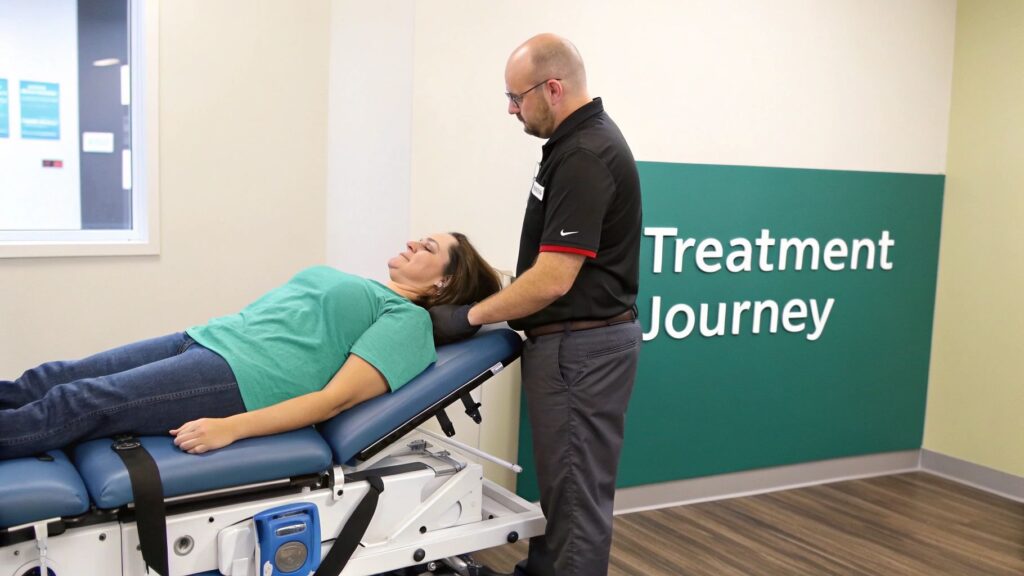
Diabetic Neuropathy Treatment
Treatment for neuropathy at Bonesetters is most effective when paired with supportive lifestyle changes. The clinic provides personalized advice, but there are several steps you can take immediately to support your recovery.
Beyond just managing blood sugar, your diet can actively fight inflammation.
Movement is medicine, but when your feet are numb, high-impact exercise is dangerous.
When you lose sensation, you lose your body's early warning system. A small pebble in your shoe or a minor blister can turn into a serious infection if you don't feel it.
Living with diabetic neuropathy can feel isolating. The constant pain and the fear of mobility loss can make your world feel smaller. But numbness does not have to be your permanent reality.
If you are in the 63131 area and are tired of treatments that only offer temporary, partial relief, it is time to look deeper. There are therapies available that aim to restore, repair, and revitalize.
Don't wait until the numbness spreads or the pain becomes unbearable. Schedule a consultation with Bonesetters today. Let Dr. Hayes and his team assess your condition and build a roadmap back to comfort. You deserve to walk through life with confidence, stability, and feeling.