
It often starts as a mild annoyance—a slight buzz in your toes or a feeling like your foot has fallen asleep. But for millions of people, that sensation doesn't go away. Instead, it evolves into a burning, stabbing, or numbing reality that dictates every step they take.
Neuropathy can turn simple daily tasks into hurdles. Walking the dog becomes a calculated risk. Sleeping through the night feels impossible as the burning sensation flares up the moment you lie down. Perhaps most frustrating is the loss of confidence in your own body, leaving you constantly worried about stumbling or missing a step.
If you are tired of merely managing the pain, there is good news. Understanding the root cause of your symptoms is the first step toward reclaiming your life. From lifestyle adjustments to specialized treatment for neuropathy in feet, relief is more accessible than you might think.
To treat neuropathy, we must first understand what it is. Your peripheral nervous system is a vast communication network that sends signals between your central nervous system (brain and spinal cord) and the rest of your body. Think of these nerves as electrical wires. When they're damaged or destroyed, the normal transmission of signals is disrupted. This is like a fraying wire that either stops sending information (numbness) or sends false alarms (pain and tingling) to the brain.
While diabetes is the most well-known cause—accounting for a significant portion of neuropathy cases due to high blood sugar damaging the delicate walls of the capillaries that feed the nerves—it is not the only culprit. Other common causes include:

Treatment for Neuropathy in Feet
Neuropathy symptoms are rarely static; they tend to progress and evolve if left untreated. Because peripheral nerves have different functions—sensory, motor, and autonomic—the symptoms depend largely on which nerves are damaged.
This is the most common form associated with foot neuropathy.
Even if you have an underlying condition like diabetes, certain lifestyle factors and environmental triggers can exacerbate neuropathy symptoms. Identifying and managing these triggers is a critical step in reducing pain.
For diabetic patients, managing blood glucose is the single most important factor. High blood sugar causes a chemical reaction called glycation, which damages proteins in the nerves. Consistent spikes in glucose levels accelerate nerve destruction.
Nerves require a robust supply of oxygen and nutrients to function and repair themselves. Conditions that impede blood flow—such as smoking, a sedentary lifestyle, or cardiovascular disease—starve the nerves, worsening symptoms.
Chronic inflammation caused by a diet high in processed foods, sugar, and trans fats can irritate damaged nerves. Additionally, excessive alcohol consumption acts as a direct toxin to nerve tissue, often leading to a specific type of alcoholic neuropathy.
It is a common misconception that if the pain stops, the condition is improving. Unfortunately, with neuropathy, the cessation of pain often indicates that the nerve has died completely, resulting in total numbness. Ignoring the early warning signs can lead to severe complications.
When sensation is lost, minor injuries go unnoticed. A small pebble in your shoe, a blister from a new sock, or a minor cut can become infected without you feeling a thing. In severe cases, especially for those with diabetes, these untreated infections can lead to ulcers that penetrate the bone, sometimes necessitating amputation.
As the nerves that control balance and muscle strength deteriorate, the risk of falling increases dramatically. Falls are a leading cause of injury in older adults, often leading to hip fractures and a loss of independence. Treating neuropathy is not just about stopping pain; it is about preserving your ability to move through the world safely.

Treatment for Feet Neuropathy
The medical community offers several avenues for managing neuropathy, though effectiveness varies from person to person.
However, many conventional treatments focus on masking the symptoms rather than addressing the root cause. This has led many patients to seek a more holistic approach that aims to restore nerve function naturally.
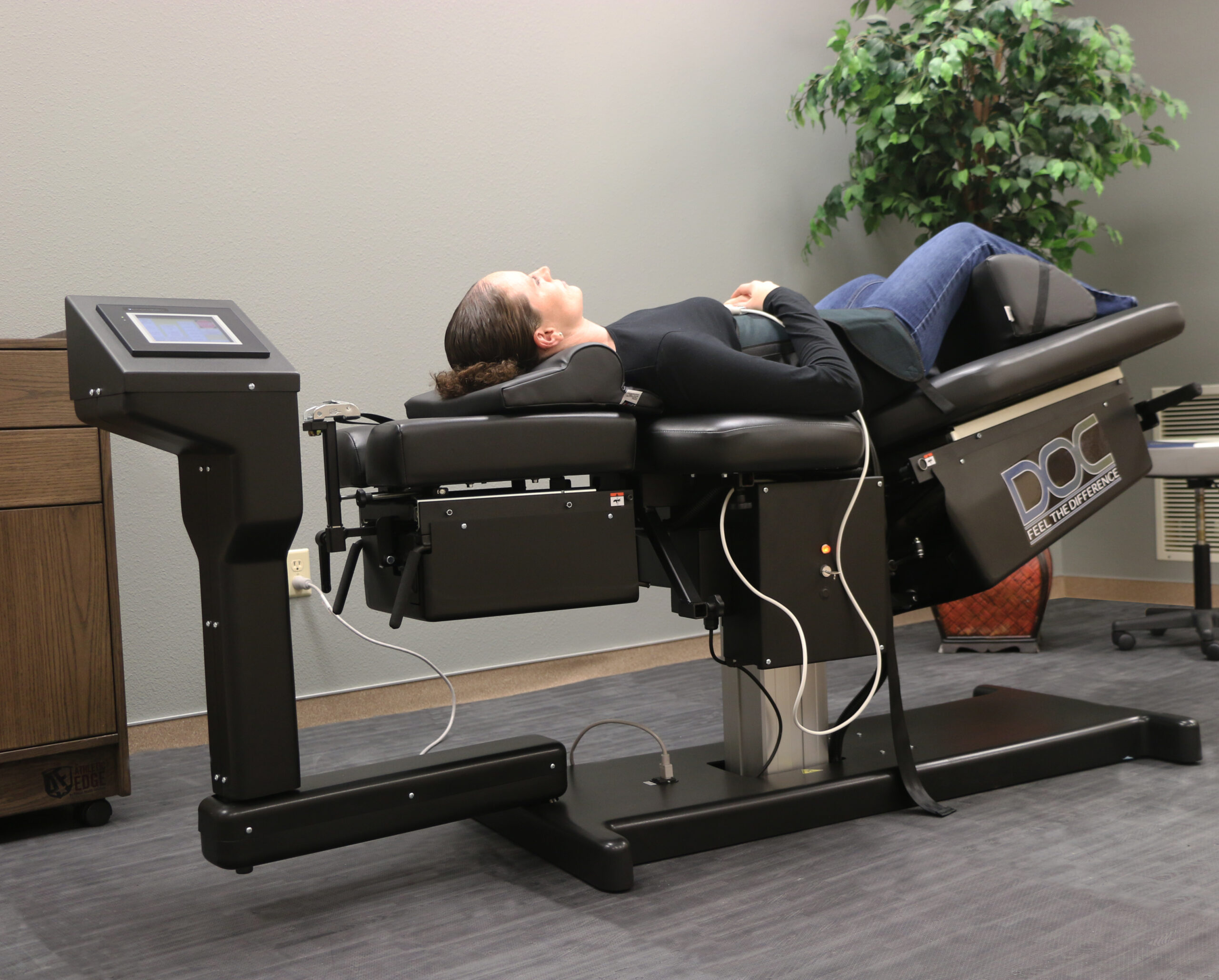
When people think of chiropractic care, they usually think of back pain or neck stiffness. However, chiropractic treatment is a powerful tool for addressing peripheral neuropathy. The nervous system is housed within the spine; the nerves that travel to your toes exit from the lower back (lumbar spine).
If there are misalignments (subluxations) in the lower back or hips, they can compress the sciatic nerve and other neural pathways leading to the legs and feet. This compression acts like a kink in a hose, restricting the flow of nerve signals. Gentle chiropractic adjustments can realign the spine, removing this pressure and allowing the nerves to function more efficiently.
Chiropractic neuropathy treatment and complementary therapies used in clinics often focus on increasing circulation. By mobilizing the joints and reducing inflammation in the musculoskeletal system, fresh, oxygenated blood can better reach the extremities. This oxygen is vital for repairing the myelin sheath (the protective coating) of the nerves.
Chiropractors look at the body as an interconnected system. They don't just look at the foot; they look at the kinetic chain—how the ankle, knee, hip, and spine work together. Correcting structural imbalances can reduce the mechanical stress on the feet, providing an environment where healing can occur.
No treatment plan is complete without addressing what happens outside the doctor's office. You can actively fight neuropathy with the choices you make every day.
Food is medicine. Adopting an anti-inflammatory diet can drastically reduce nerve irritation.
While it may be painful to move, total inactivity typically makes neuropathy worse. Low-impact exercises like swimming, stationary cycling, or gentle yoga stimulate blood flow to the feet without placing excessive pressure on them.
Shoes should provide ample room for your toes to wiggle. A wide toe box prevents compression, while adequate arch support helps distribute weight evenly. Avoid walking barefoot, even at home, to protect your feet from unseen hazards.

Feet Neuropathy Treatment
Finding the right partner in your health journey is essential. At Bonesetters, Dr. Hayes and the team specialize in a comprehensive, non-invasive approach to neuropathy that goes beyond masking symptoms with pills.
Bonesetters understands the intricate relationship between spinal health and peripheral nerve function. Dr. Hayes utilizes specific chiropractic adjustments designed to relieve pressure on the nerve roots that serve the legs and feet, targeting the structural origins of your discomfort.
No two cases of neuropathy are identical. At Bonesetters, treatment is not a "one-size-fits-all" protocol. Dr. Hayes evaluates your specific symptoms, medical history, and lifestyle to create a tailored plan. This might include spinal adjustments combined with nutritional advice and therapeutic exercises, ensuring every angle of your condition is addressed.
The team at Bonesetters prioritizes your quality of life. They understand the emotional and physical toll of chronic pain. By fostering a supportive environment, they empower you with the education and care necessary to achieve long-term relief.
Neuropathy can feel isolating, but it doesn't have to define your future. You have options beyond simply enduring the tingling and pain. By combining healthy lifestyle choices with expert care, you can improve your nerve health and regain your stability.
If you are ready to explore a drug-free path to relief, the team at Bonesetters is here to help. Contact us today to schedule your consultation and see how chiropractic care can make a difference in your neuropathy symptoms.
Bonesetters: Critical Care Chiropractic Clinic
https://maps.app.goo.gl/ekdeZy1WhR7UTJNPA
15510 Olive Blvd, Chesterfield, MO 63017
(636) 735-3599
https://bonesetters.org/