
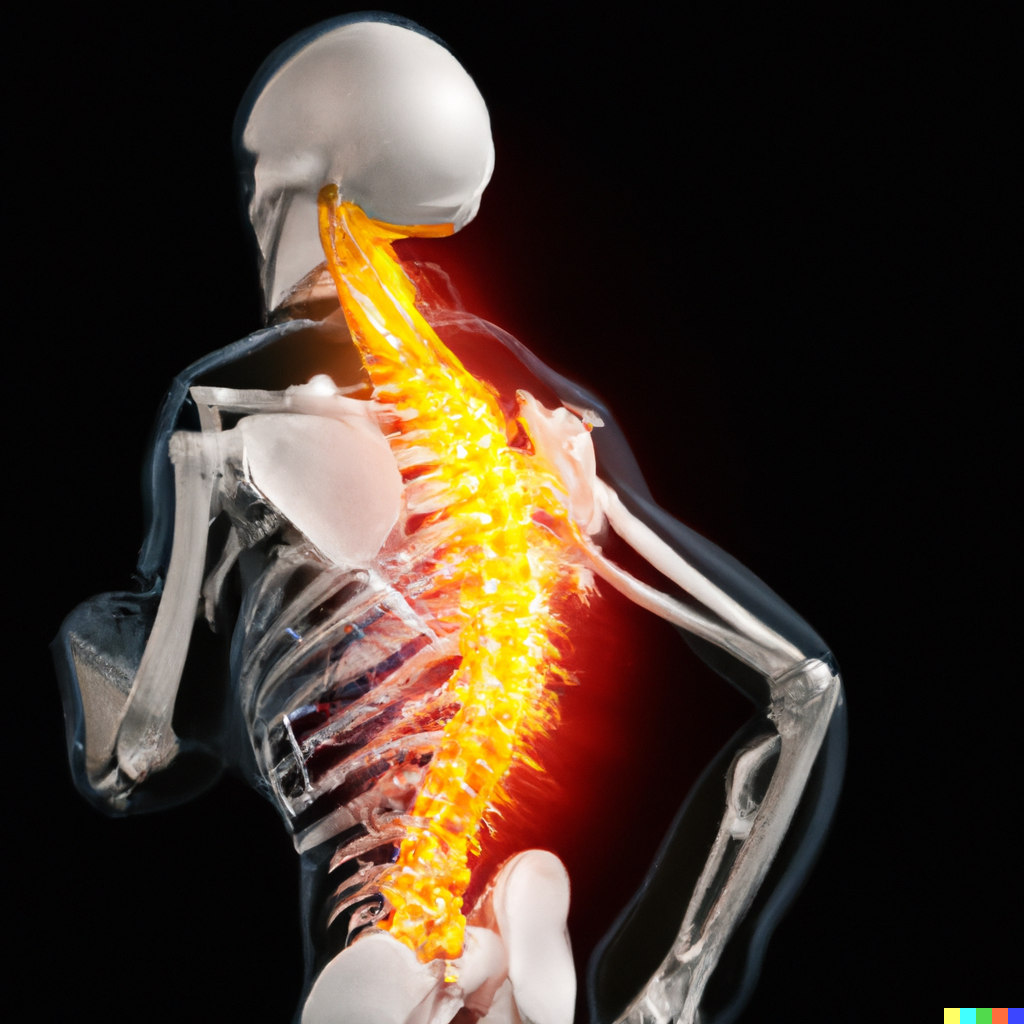
Lower back pain is a universal language of discomfort. It speaks in sharp twinges when you bend over to tie your shoes, dull aches that greet you the moment you wake up, and the stiffness that makes getting out of a car feel like an Olympic event. If you are nodding along, you aren't alone. Lower spine pain is the single leading cause of disability worldwide, preventing millions of people from engaging in work and daily life.
When pain strikes, the immediate instinct is often to reach for the medicine cabinet. While medication can mask the discomfort temporarily, it rarely addresses why the pain is there in the first place. This is where chiropractic care steps in. By focusing on the health of your spine and nervous system, chiropractic treatment offers a long-term solution rather than a quick fix. At Bonesetters, we believe that understanding your body is the first step toward healing it.
To treat the pain effectively, you first have to understand where it comes from. Lower back pain, or lumbar pain, is rarely the result of a single event. While it might feel like that one heavy box broke the camel's back, the reality is often a culmination of stress, poor habits, and structural issues that have been building for years.
Our bodies were designed for movement, yet modern life often demands sedentariness. Sitting for prolonged periods—whether at a desk, in a car, or on the couch—wreaks havoc on the lumbar spine. When you sit, the pressure on your spinal discs increases significantly compared to standing. Over time, this compresses the discs and shortens the hip flexor muscles, pulling on the lower back and altering the natural curve of the spine.
Beyond lifestyle habits, specific physical conditions often trigger pain:
The danger lies in ignoring these signals. When you treat only the symptom—the pain—without addressing the root cause, the underlying issue often worsens, leading to chronic conditions that are harder to treat later.
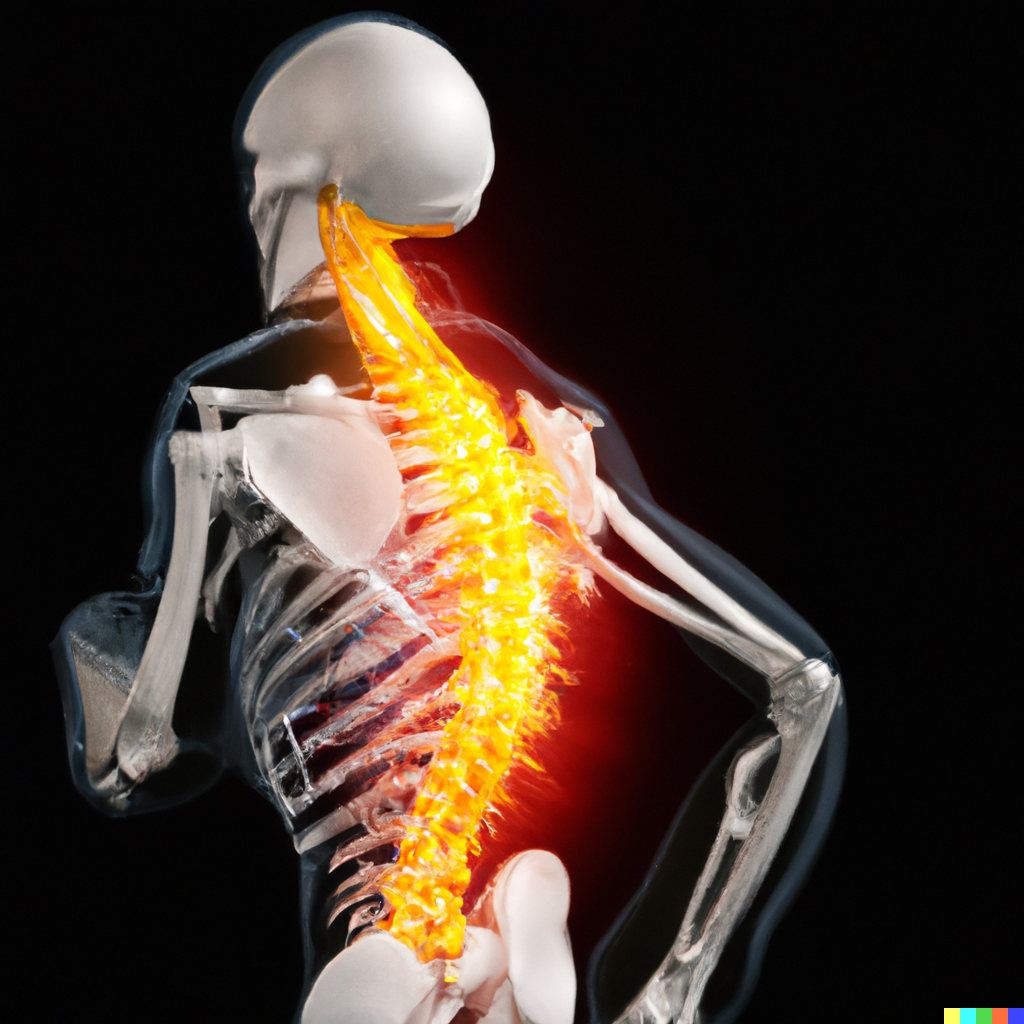
Lower Spine Pain
Chiropractic care is a health care profession dedicated to the non-surgical treatment of disorders of the nervous system and musculoskeletal system. While chiropractors treat a variety of issues, the primary focus is spinal manipulation and treatment of surrounding structures.
The core principle of chiropractic is simple: structure determines function. Your spine houses your spinal cord, the superhighway of your nervous system. If the vertebrae (the bones of the spine) are misaligned, they can interfere with the signals traveling between your brain and your body. This interference doesn't just cause pain; it can affect organ function, immune response, and overall mobility.
One of the most significant advantages of chiropractic care is that it is entirely drug-free and non-invasive. In a healthcare landscape often dominated by prescription opioids and invasive surgeries, chiropractic offers a natural alternative. It respects the body’s natural ability to heal itself. By removing the interferences (misalignments) in the spine, a chiropractor creates an environment where the body can repair damaged tissues and restore normal function without the side effects of pharmaceuticals.
The centerpiece of chiropractic treatment is the spinal adjustment, also known as spinal manipulation. But how exactly does a manual adjustment translate to pain relief?
When a vertebra moves out of its proper position, it is referred to as a subluxation. This misalignment creates uneven pressure on the spinal joints and discs. During an adjustment, a chiropractor applies a controlled, sudden force to a spinal joint. The goal is to improve spinal motion and improve the body's physical function.
Misaligned vertebrae often impinge on the nerve roots exiting the spine. This impingement is what causes the sharp, shooting pain associated with conditions like sciatica. By realigning the spine, chiropractic adjustments relieve this pressure. Once the nerve is no longer compressed, the inflammation subsides, and the pain signals stop firing.
Adjustments also help to release muscle tension. When the spine is out of alignment, the surrounding muscles often spasm in an attempt to stabilize the area. This "guarding" mechanism is painful and restricts movement. Correcting the alignment allows these muscles to relax. Furthermore, studies have shown that chiropractic adjustments can help down-regulate the production of inflammatory cytokines, essentially telling the body to lower the inflammation response in the affected area.

Lower Spine Pain Treatment
While most patients initially visit Bonesetters to address acute pain, they often continue care because of the secondary benefits they experience. Relieving lower spine pain is just the beginning of what a healthy spine can do for you.
Years of slouching over smartphones and laptops can lead to a condition known as "tech neck" and rounded shoulders, which contribute to lower back compensation patterns. Regular chiropractic care helps realign the spine and neck, making it easier to maintain good posture naturally. You might find yourself standing taller and sitting straighter without conscious effort.
Pain restricts movement. When your back hurts, you take smaller steps, you avoid bending, and you turn your whole body instead of rotating your torso. As chiropractic care restores proper joint function, your range of motion improves. This is vital for everyone, from high-performance athletes looking to optimize their game to grandparents wanting to play on the floor with their grandchildren.
The nervous system is responsible for adapting to stress. When the spine is misaligned, the entire system is under constant low-grade stress, keeping the body in a state of "fight or flight." By balancing the nervous system, chiropractic care can lead to improved sleep quality, higher energy levels, and a greater sense of calm.
If you have never seen a chiropractor before, the idea can be intimidating. You might be worried about the process or whether it will hurt. At Bonesetters, we prioritize patient education and comfort from the moment you walk through the door. Here is a look at what your first visit will likely entail.
Your journey begins with a conversation. The chiropractor will review your medical history, asking detailed questions about your lifestyle, work environment, and the specific nature of your pain. When did it start? What makes it better or worse? This context is crucial for an accurate diagnosis.
Next, a physical examination is performed. This may include testing your reflexes, flexibility, and muscle strength. The chiropractor will palpate (feel) your spine to identify areas of tenderness, misalignment, or muscle spasm. In some cases, X-rays or other imaging may be requested to get a clear picture of your spinal structure.
No two spines are exactly alike, and neither are our treatment plans. Based on the findings, your chiropractor at Bonesetters will propose a care plan tailored to your specific needs. This might involve spinal adjustments, but it could also include soft tissue therapy, decompression techniques, or rehabilitative exercises.
We believe in transparency. Before any treatment begins, we explain exactly what we are going to do, why we are doing it, and what you can expect to feel.
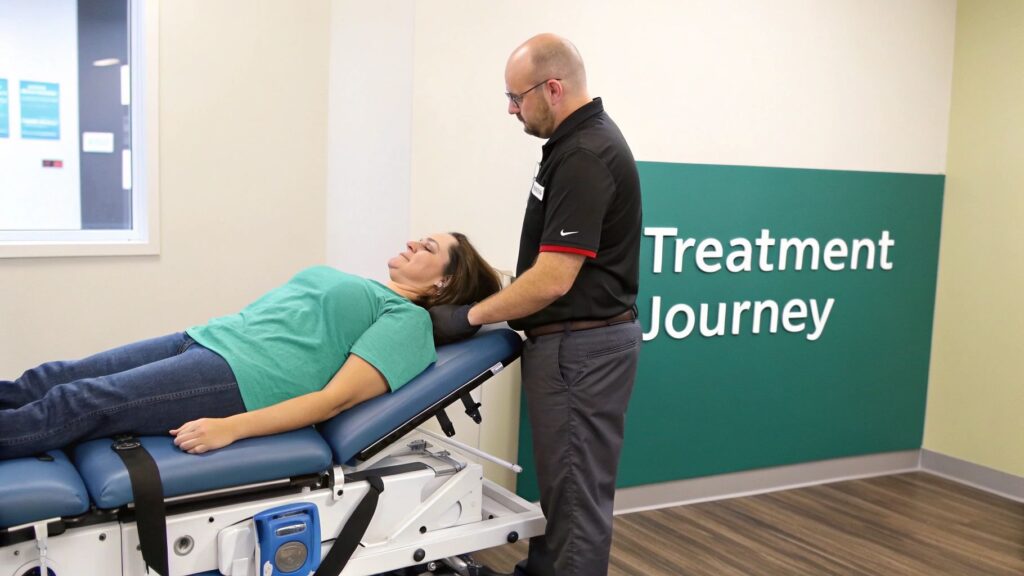
Lower Spine Pain Treatment Provider
Chiropractic adjustments work best when paired with healthy lifestyle habits. Think of your visits to Bonesetters as a car tune-up—you still need to drive responsibly and maintain it between visits.
At your desk, keep your monitor at eye level, feet flat on the floor, and ensure your chair supports your lower back. At home, avoid prolonged slouching in soft furniture, as poor posture can hinder your treatment progress and strain spinal alignment. Practice conscious posture habits.
Your core muscles (abs, obliques, and lower back) act as a natural corset, providing vital support for your spine. A weak core forces your spine to overcompensate. Strengthen these muscles with simple exercises like planks or pelvic tilts to improve stability and protect your back.
Motion keeps your joints healthy. Avoid staying in one position too long—stand and stretch every 30–45 minutes if you sit for work. Walking is a great low-impact exercise that boosts blood flow to your spine without straining it.
Living with lower spine pain is exhausting. It drains your energy, limits your freedom, and affects your mood. But it does not have to be your permanent reality. By addressing the root cause of the problem through chiropractic care, you can reclaim your health and vitality.
At Bonesetters, we are dedicated to helping you achieve a pain-free life through safe, effective, and natural care. We don't just treat backs; we treat people. Whether you are dealing with a recent injury or a nagging ache that has persisted for years, our team is here to support your recovery.
Don't wait for the pain to stop you in your tracks again. Prioritize your spine, and your body will thank you for years to come.
Ready to find relief? Schedule your consultation appointment at Bonesetters Clinic today.
Bonesetters: Critical Care Chiropractic Clinic
https://maps.app.goo.gl/ekdeZy1WhR7UTJNPA
15510 Olive Blvd, Chesterfield, MO 63017
(636) 735-3599
https://bonesetters.org/