

Nerve pain, that relentless burning, tingling, or numbness, can feel like a life sentence. While advanced treatments like those at Bonesetters Critical Chiropractic, including spinal decompression and Class IV laser therapy, are crucial for addressing the structural cause, what you eat every day plays a powerful, supportive role in healing. The link between diet and nerve health is no longer theoretical; it's a well-documented science.
Chronic inflammation, nutrient deficiencies, and oxidative stress are primary drivers that perpetuate nerve damage and pain signals. This article isn't about miracle cures; it's about strategic nutrition. We will explore a curated list of specific, evidence-backed foods that help nerve pain by providing the essential building blocks for nerve repair, reducing inflammation at a cellular level, and protecting your nervous system from further damage. You will learn about key nutrients like omega-3s, B vitamins, and antioxidants, and discover which foods deliver them most effectively.
We will provide actionable advice on how to incorporate these items into your daily meals, offering practical serving suggestions and simple recipe ideas. This nutritional guide is designed to complement your primary treatment plan, whether it involves chiropractic adjustments, physical therapy, or other medical interventions. Think of this as a nutritional toolkit to support your body's innate healing capacity. By making targeted dietary choices, you can actively participate in your recovery, helping to manage symptoms and build a more resilient nervous system from the inside out. Let's explore how your plate can become a powerful ally in calming your nerves and reclaiming control over your comfort and mobility.
Omega-3 fatty acids are a type of essential polyunsaturated fat renowned for their powerful anti-inflammatory properties, making them one of the most effective foods that help nerve pain. Found abundantly in cold-water fatty fish, these compounds, particularly eicosapentaenoic acid (EPA) and docosahexaenoic acid (DHA), actively work to reduce neuroinflammation, a key driver of neuropathic pain. They contribute to the structural integrity of nerve cell membranes and support the health of the myelin sheath, the protective coating that insulates nerves and ensures efficient signal transmission.
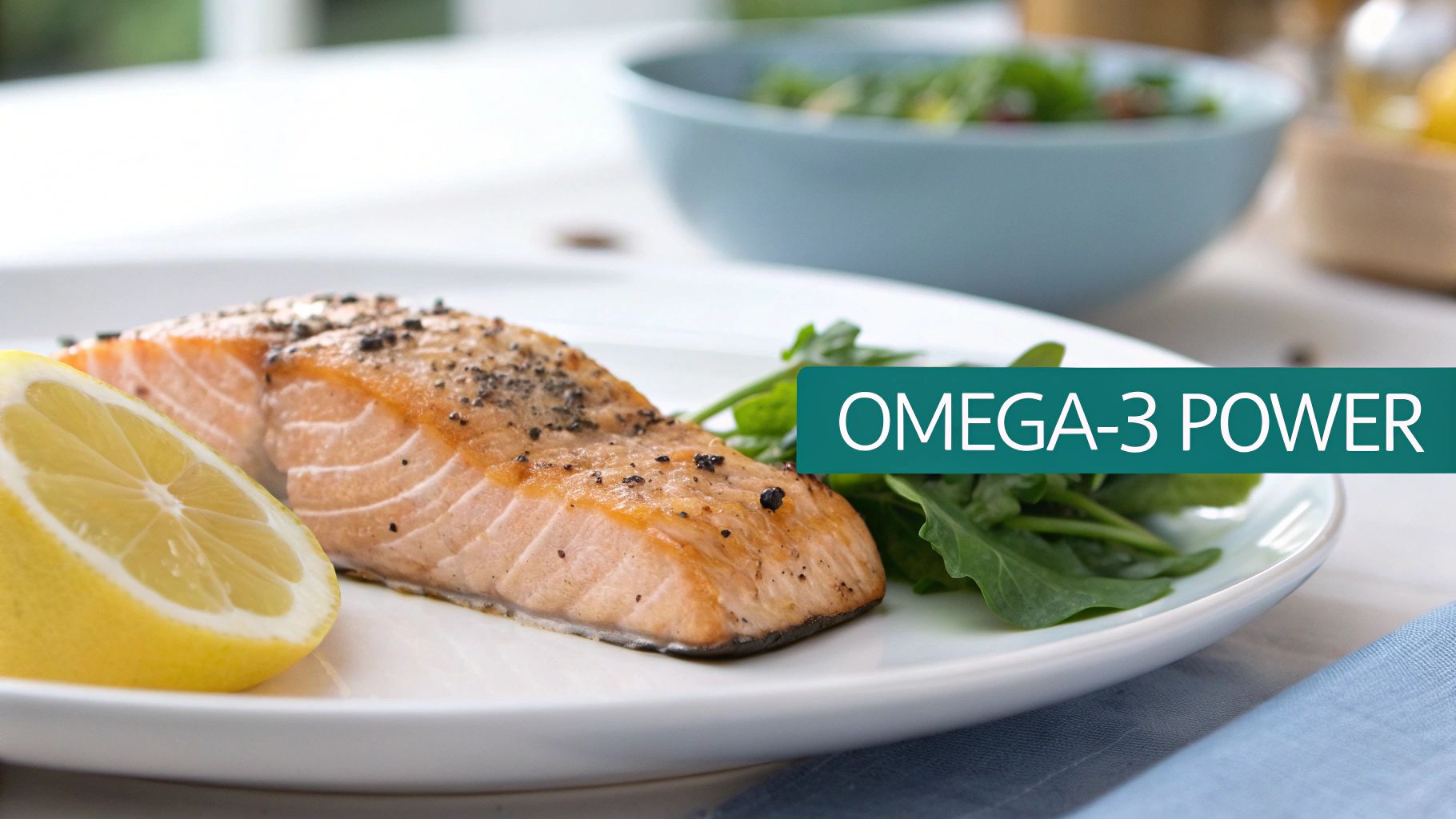
Research from institutions like Harvard Medical School has shown that a consistent intake of omega-3s can lower inflammatory markers linked to nerve damage. This direct action on inflammation can help alleviate symptoms like tingling, numbness, and burning, particularly in conditions such as peripheral neuropathy. By calming the inflammatory response, omega-3s help create a better environment for nerve repair and may even slow the progression of neuropathic conditions.
To effectively incorporate these beneficial fats into your diet, consider these practical and actionable steps:
Integrating a nutrient-dense diet is a key component of a holistic approach to nerve pain, but it works best when combined with targeted therapies. To learn more about how dietary strategies complement clinical treatments, explore our guide on the best treatment for nerve pain at Bonesetters.
The Vitamin B complex, particularly vitamins B6, B12, and folate (B9), is foundational for nerve health and plays a critical role among foods that help nerve pain. These essential nutrients act as cofactors in countless metabolic processes, including the synthesis of the myelin sheath that protects nerves and the production of neurotransmitters that carry signals. A deficiency in any of these B vitamins is directly linked to an increase in neuropathic symptoms like tingling, numbness, and shooting pains, as they are crucial for nerve repair and function.
These vitamins support the methylation cycle, a biochemical process essential for nerve regeneration. They also help regulate levels of homocysteine, an amino acid that, when elevated, can damage the blood vessels that supply vital nutrients to your nerves. For this reason, maintaining adequate B vitamin levels is especially important for individuals with disc injuries or peripheral neuropathy. At Bonesetters, we've observed that patients with sciatic nerve pain who correct B-complex deficiencies alongside spinal decompression often report significant improvements in their symptoms.
To ensure your body has the B vitamins it needs for optimal nerve function, focus on these targeted dietary strategies:
A consistent intake of these vitamins is a proactive step toward managing nerve-related symptoms. To better understand how these nutrient deficiencies can manifest, explore our guide on the common causes of tingling in hands and feet.
Magnesium is a vital mineral that plays a crucial role in nerve function, acting as a natural gatekeeper for nerve excitability. It is one of the most important minerals to include in a diet of foods that help nerve pain because it directly influences neuromuscular transmission and calms overactive nerve signals. This essential nutrient functions as a natural NMDA receptor antagonist, which helps prevent the pathological nerve firing that contributes to symptoms like burning, tingling, and sharp pains. By regulating these signals, magnesium helps reduce nerve hypersensitivity and can alleviate muscle spasms often associated with nerve irritation.
For individuals suffering from conditions like peripheral neuropathy or disc-related nerve compression, a magnesium deficiency can significantly worsen symptoms. Research indicates that optimizing magnesium levels can lead to a marked reduction in paresthesias and nighttime leg cramps. By ensuring adequate cellular energy production (ATP synthesis) and supporting nerve structure, magnesium not only addresses the painful symptoms but also fosters a better environment for nerve healing and spinal stability. This dual action on both pain signaling and structural support makes it a cornerstone nutrient for managing neuropathic conditions.
To leverage the nerve-calming benefits of magnesium, focus on incorporating these foods and strategies into your daily routine:
A diet rich in key nutrients is fundamental to managing nerve pain, but its effects are amplified when part of a comprehensive care plan. To understand how dietary changes can be integrated with advanced clinical treatments, see our guide on the best treatment for nerve pain at Bonesetters.
Turmeric, the vibrant golden spice, contains a powerful active compound called curcumin, which is celebrated for its potent anti-inflammatory and antioxidant capabilities. This makes it one of the most studied and effective foods that help nerve pain. Curcumin works by inhibiting key inflammatory pathways in the body, such as NF-kB signaling, which are known to perpetuate neuropathic pain cycles. Its ability to cross the blood-brain barrier allows it to directly target and reduce neuroinflammation at the source of nerve irritation and damage.
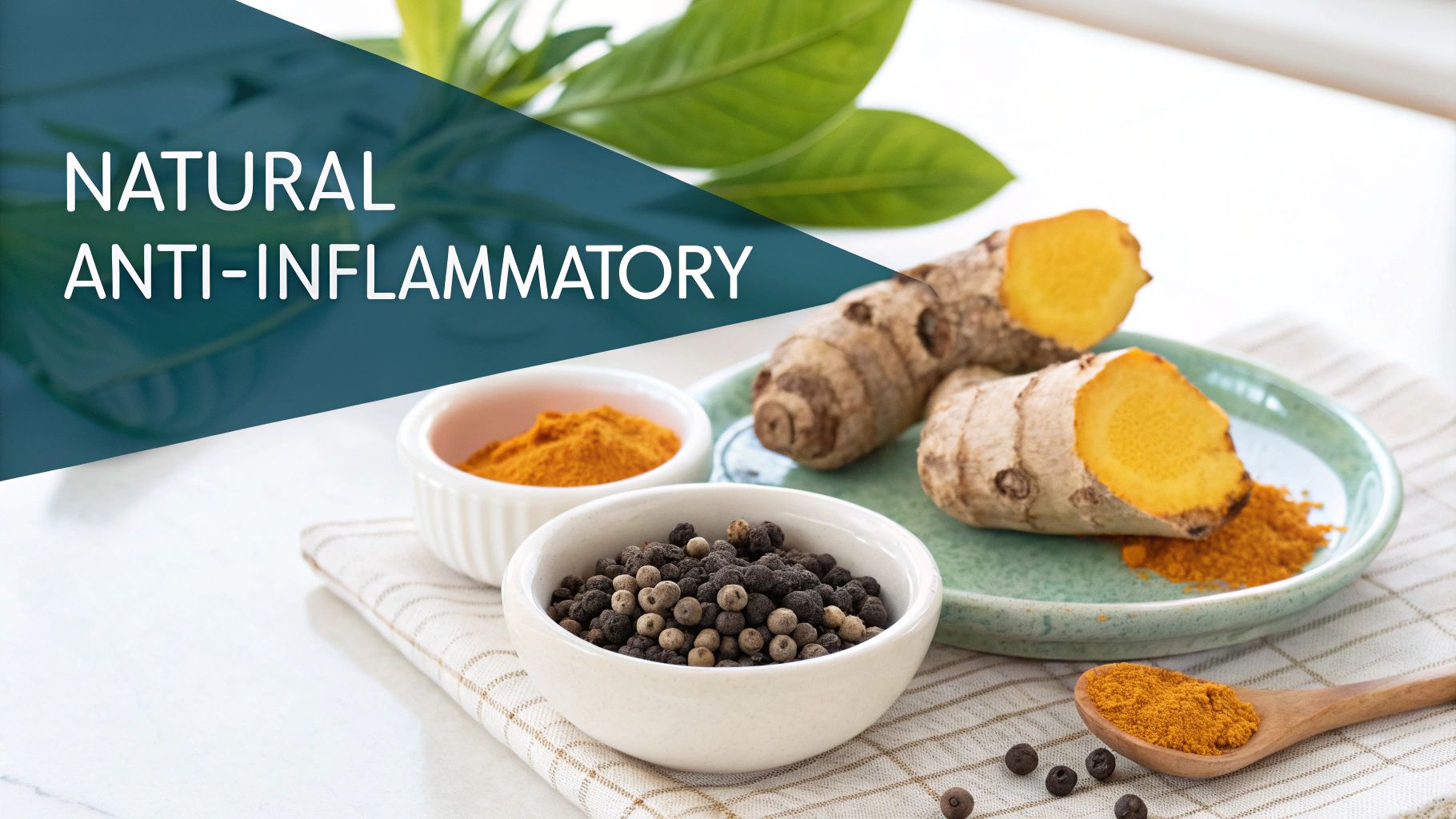
Research from institutions like the Cleveland Clinic has highlighted curcumin's efficacy in managing neuropathic pain, with some studies showing its effects are comparable to certain NSAIDs but without the associated gastrointestinal side effects. For individuals with peripheral neuropathy, studies have shown that daily supplementation with 1,500-2,000 mg of curcumin can lead to a measurable reduction in pain scores within six weeks. This makes turmeric a valuable component of a dietary strategy aimed at soothing nerve-related discomfort and supporting nerve health.
To maximize the absorption and benefits of curcumin, it's important to consume it correctly. Follow these practical tips:
Combining dietary interventions like turmeric with targeted clinical care can yield powerful results. To understand how this synergy works, learn more about our comprehensive approach in the guide to the best treatment for nerve pain at Bonesetters.
Berries are celebrated as vibrant, nutrient-dense fruits, but they are also potent allies in the fight against neuropathic pain. Their deep colors signify a high concentration of powerful antioxidants like anthocyanins, quercetin, and resveratrol. These compounds make berries one of the most effective foods that help nerve pain by directly combating oxidative stress, a primary factor in the progression of nerve damage and pain, particularly in conditions like diabetic neuropathy. By neutralizing harmful free radicals, these antioxidants protect nerve cells from damage and help reduce neuroinflammation.

The benefits of berries extend beyond their antioxidant capacity. They enhance blood flow, which is crucial for delivering oxygen and nutrients to damaged nerves, and their low glycemic index helps stabilize blood sugar levels. This is especially important for individuals with diabetes, as blood sugar fluctuations can significantly worsen nerve pain. Studies have shown that regular berry consumption can lead to measurable improvements; for example, some research indicates that a daily intake of blueberries can significantly reduce neuropathic pain scores over several weeks and improve sleep quality by reducing nighttime symptoms.
To harness the nerve-protective power of berries, integrate them into your daily diet with these practical strategies:
Pairing a diet rich in antioxidants with advanced clinical therapies can create a powerful synergy for pain relief. To discover how nutritional support can amplify the effects of treatments like Class IV laser therapy, learn more about the best treatment for nerve pain at Bonesetters.
Cruciferous vegetables are a powerhouse of unique bioactive compounds that make them essential foods that help nerve pain. This family of vegetables, including broccoli, cauliflower, and kale, contains sulforaphane and indole-3-carbinol, which activate cellular detoxification pathways. These pathways help the body manage and eliminate neurotoxic substances that can otherwise damage nerves and worsen neuropathic pain. They also support a healthy gut microbiome, which is critical for regulating systemic inflammation and pain signaling throughout the body.
Furthermore, cruciferous vegetables are an excellent source of vitamin K, which plays a vital role in bone health and the integrity of the sphingolipids in the myelin sheath. Studies show that a diet rich in these vegetables can help reduce systemic inflammation markers linked to neuropathy. For instance, individuals who regularly consume broccoli sprouts, which have the highest concentration of sulforaphane, often report significant improvements in neuropathic symptoms when combined with comprehensive care plans.
To leverage the full nerve-protective and anti-inflammatory benefits of these vegetables, consider these practical strategies:
A well-rounded diet is foundational to managing nerve pain, but it achieves the best results as part of an integrated treatment plan. To see how nutritional changes can enhance clinical outcomes, learn more about the best treatment for nerve pain at Bonesetters.
Ginger is a powerful root vegetable celebrated for its potent medicinal properties, making it one of the most effective foods that help nerve pain. Its main bioactive compounds, gingerols and shogaols, possess significant anti-inflammatory and analgesic effects. These compounds work by inhibiting inflammatory pathways and reducing the activity of pain neurotransmitters, offering a natural alternative to conventional pain relievers like NSAIDs without the associated gastrointestinal risks. Ginger also improves blood circulation, which is crucial for delivering oxygen and nutrients to damaged peripheral nerves and promoting healing.
Scientific studies have demonstrated that ginger can modulate inflammatory cytokines, the signaling proteins that drive chronic inflammation and pain. This action is particularly beneficial for individuals with neuropathy, disc herniation, and other conditions where nerve compression and inflammation are primary concerns. By calming this systemic inflammation and enhancing circulation, ginger directly addresses the root causes of neuropathic symptoms like burning, tingling, and sharp pains, fostering an environment conducive to nerve recovery.
To leverage the nerve-soothing benefits of ginger, integrate it into your daily routine with these practical methods:
Combining dietary changes with professional care is the most effective strategy for managing nerve pain. To understand how targeted nutrition can support clinical interventions, learn more about the integrative approach to nerve pain treatment at Bonesetters.
Bone broth and collagen peptides are powerful additions to a diet targeting nerve pain, primarily because they provide a bioavailable source of key amino acids like glycine and proline. These compounds are fundamental building blocks for repairing nerve sheaths, maintaining blood vessel integrity, and healing the connective tissues that support the nervous system. As foundational foods that help nerve pain, they address both structural and neurological health, which is crucial for conditions like disc-related injuries and peripheral neuropathy. The gelatin in bone broth also supports gut health, which helps prevent systemic inflammation that can worsen nerve symptoms.
By providing the raw materials for tissue regeneration, collagen and bone broth support the body's natural healing processes. This is especially important for patients with spinal issues, where disc integrity directly impacts nerve pressure and pain signals. Clinical observations at Bonesetters have shown that patients incorporating daily bone broth alongside targeted therapies often experience accelerated healing and significant improvements in neuropathy symptoms. This approach targets the root structural problems while providing the nutrients needed for nerve repair.
To effectively integrate these healing compounds into your routine, consider these practical and consistent steps:
Combining these dietary strategies with professional care can create a powerful synergy for healing. To understand how nutrition fits into a larger recovery plan, explore our insights on reversing peripheral neuropathy naturally at Bonesetters.
Sulfur-containing foods are a powerful yet often overlooked category of foods that help nerve pain. Essential sulfur compounds, like the amino acids methionine and cysteine found in eggs and alliums, are critical for producing glutathione. Known as the body's "master antioxidant," glutathione protects nerve cells from oxidative stress and damage, a primary factor in neuropathic pain. The compounds in garlic and onions, such as allicin, also possess direct anti-inflammatory properties that can soothe irritated nerves.
These foods support nerve health by enhancing detoxification pathways and reducing the systemic inflammatory burden that can worsen nerve pain. Furthermore, pastured eggs are an excellent source of choline, a vital nutrient for producing acetylcholine, a neurotransmitter essential for proper nerve signal transmission. By providing the building blocks for nerve protection and communication, a diet rich in sulfur-containing foods helps create a resilient nervous system.
To harness the nerve-protective benefits of sulfur, integrate these foods into your daily meals with the following actionable strategies:
Incorporating these nutrient-dense foods is a powerful step in managing nerve pain through diet. This approach is most effective as part of a comprehensive care plan. To understand how nutrition complements advanced clinical strategies, see our overview of the best treatment for nerve pain at Bonesetters.
Vitamin D, often called the "sunshine vitamin," functions more like a neurohormone and is essential for nerve health. Its role in reducing neuropathic pain is multifaceted, involving the synthesis of nerve growth factor (NGF), regulation of calcium within nerve cells, and powerful immune-modulating effects. Since vitamin D receptors are found throughout the nervous system, maintaining adequate levels is fundamental for nerve regeneration and function, making it a critical component in a diet of foods that help nerve pain. Deficiency is directly linked to the progression of neuropathic pain and delayed healing.
Clinical evidence underscores its importance; for instance, neuropathy patients who correct a vitamin D deficiency often experience accelerated pain resolution, especially when combined with other therapies. Studies show a direct correlation between seasonal worsening of neuropathic symptoms and depleted vitamin D levels, highlighting its protective role. Optimizing vitamin D status from deficient (< 30 ng/mL) to an optimal range (50-80 ng/mL) can lead to significant improvements in pain and overall nerve function, establishing it as a non-negotiable factor for long-term relief.
To ensure you are getting enough vitamin D to support nerve health, consider these actionable strategies:
A comprehensive pain management plan addresses underlying nutritional deficiencies that impede healing. To understand how optimizing key nutrients fits into a larger therapeutic framework, read about the best treatment for nerve pain at Bonesetters.
| Item | Implementation complexity | Resource requirements | Expected outcomes | Ideal use cases | Key advantages |
|---|---|---|---|---|---|
| Omega-3 Fatty Acids (Fish & Fatty Fish) | Low — eat fatty fish or take fish-oil supplements | Moderate — 2–3 servings/week or 1,000–2,000 mg EPA+DHA/day (third‑party tested) | Reduces neuroinflammation, supports myelin repair; symptom improvement over weeks–months | Peripheral neuropathy with inflammatory component; tingling/numbness | Potent anti-inflammatory; cardiovascular & brain benefits; well‑tolerated |
| Vitamin B Complex (B6, B12, Folate) | Low–Medium — diet, oral supplements or injections if deficient | Low — food sources or B‑complex supplements; injections for severe deficiency | Improves myelin synthesis and nerve signaling; measurable improvement often in 4–6 weeks | Deficiency-related neuropathy, older adults, malabsorption, pernicious anemia | Directly addresses root deficiencies; boosts energy and nerve repair |
| Magnesium‑Rich Foods (Nuts, Seeds, Leafy Greens) | Low — increase dietary sources or use supplements (glycinate/malate preferred) | Low — daily magnesium‑rich foods or 300–400 mg/day supplemental forms | Reduces nerve excitability and cramps; improves sleep and muscle relaxation within weeks | Restless legs, nighttime neuropathy, muscle spasm–related nerve pain | NMDA modulation, muscle relaxation, supports ATP production |
| Turmeric & Curcumin (Spice & Root) | Low — add spice or use standardized extract with piperine/fat | Low — culinary turmeric with black pepper or 1,500–2,000 mg curcumin extract/day | Potent reduction in neuroinflammation; pain scores improve over 2–6 weeks with consistent use | Inflammatory neuropathies and disc‑related inflammation | Strong anti‑inflammatory and antioxidant; safer long‑term than NSAIDs |
| Antioxidant‑Rich Berries (Blueberries, Blackberries, Raspberries) | Low — eat fresh or frozen daily | Low — 1–2 cups/day; frozen options affordable and nutrient‑dense | Protects nerves from oxidative damage; improves microcirculation over weeks–months | Diabetic peripheral neuropathy; oxidative‑stress driven neuropathies | High antioxidant load, low glycemic impact, easy adherence |
| Cruciferous Vegetables (Broccoli, Cauliflower, Kale) | Low — include raw/lightly steamed or sprouts in diet | Low — 2–3 servings/week; broccoli sprouts for higher sulforaphane | Activates detox/antioxidant pathways; reduces systemic inflammation over weeks | Gut‑brain axis dysfunction, systemic inflammation, spinal health support | Nrf2 activation, detox support, vitamin K for bone health |
| Ginger Root (Fresh & Ground) | Low — fresh root, powdered or extract daily | Low — 1–2 inches fresh or 1,000–2,000 mg extract/day | Improves circulation and provides analgesic/anti‑inflammatory effects in 2–3 weeks | Vascular‑related neuropathy, back/neck pain with neuropathic features | Natural NSAID alternative, enhances circulation, safe and inexpensive |
| Bone Broth & Collagen Peptides | Medium — homemade slow simmer or purchase peptides | Moderate — 8–16 oz broth daily or 10–20 g collagen peptides/day; quality sourcing | Supplies amino acids for myelin/connective tissue repair; gut barrier support; benefits over months | Disc injuries, structural neuropathy, connective tissue repair | Provides building blocks for repair, supports gut and spinal integrity |
| Sulfur‑Containing Foods (Garlic, Onions, Pastured Eggs) | Low — add to meals, raw or cooked | Low — common foods (2–3 cloves garlic, pastured eggs weekly) | Increases glutathione precursors and reduces oxidative stress within weeks | Detox‑needed neuropathy, oxidative‑stress driven nerve damage | Boosts glutathione, anti‑inflammatory, affordable and accessible |
| Vitamin D (Sunlight & Fortified Foods) | Low — sun exposure or oral supplementation after testing | Low — test levels; supplement D3 2,000–4,000 IU/day as needed | Improves NGF, immune modulation and nerve regeneration; symptom improvement after repletion | Deficiency‑associated neuropathy, seasonal worsening, autoimmune neuropathies | Foundational for nerve health; multipurpose systemic benefits |
Navigating the landscape of nerve pain can often feel like a complex and isolating journey. This guide has illuminated ten powerful food groups, each armed with unique properties to support your nervous system. From the potent anti-inflammatory effects of omega-3 fatty acids in salmon to the nerve-sheath-protecting B vitamins in lentils and lean meats, the path to relief can genuinely begin in your kitchen.
We've explored how antioxidants in berries combat the oxidative stress that aggravates neuropathy and how the magnesium in leafy greens helps regulate nerve signals. Incorporating spices like turmeric and ginger can calm inflammatory pathways, while sulfur-rich foods like garlic and onions provide the essential building blocks for tissue repair. This isn't just about adding a few "superfoods" to your plate; it's about building a consistent dietary foundation that actively works to soothe, protect, and rebuild your delicate nerve pathways. The core principle is clear: what you eat directly influences the environment in which your nerves operate.
Understanding which foods that help nerve pain is the first step; consistently integrating them is where true transformation happens. The goal is not perfection but progress. Start by making small, sustainable changes that feel manageable and build from there.
Remember, the cumulative effect of these small daily decisions creates a powerful, long-term impact on your nerve health and overall well-being. Each nutrient-dense meal is another deposit into your body's healing account.
While nutrition provides the crucial internal support for nerve repair, it is most effective when combined with targeted physical treatments that address the root cause of the nerve irritation. Think of it like this: your diet supplies the high-quality materials (vitamins, minerals, fatty acids) needed to fix a damaged road, while specialized physical treatments act as the construction crew, removing the roadblocks (like a herniated disc or spinal misalignment) and actively repairing the surface.
One element supports the other. A diet rich in anti-inflammatory compounds can make physical therapies more effective and your recovery quicker. Conversely, relieving the physical compression on a nerve allows the nutrients from your food to better reach the damaged tissues and facilitate healing. This dual-pronged approach, which simultaneously addresses both the biochemical and biomechanical aspects of your condition, offers the most comprehensive and lasting pathway to relief. It transforms your efforts from merely managing symptoms into a proactive strategy for true, foundational healing.
A targeted diet is a powerful tool, but it works best when paired with expert care that addresses the structural source of your pain. At Bonesetters Critical Chiropractic, we combine sophisticated, computer-guided adjustments and spinal decompression with this precise nutritional guidance to create a complete healing environment. If you are ready to tackle your nerve pain from every angle, visit Bonesetters Critical Chiropractic to learn how our integrated approach can help you reclaim your life.