

Nerve pain, that relentless burning, tingling, or shooting sensation, can derail your life, making simple activities feel monumental. Whether it's the sharp ache of sciatica, the persistent numbness of peripheral neuropathy, or the radiating pain from a herniated disc, finding effective, lasting relief is paramount. The path to recovery, however, is often cluttered with confusing options, from temporary fixes to invasive surgeries with long recovery times.
This guide cuts through the noise. We've compiled a comprehensive, evidence-based roundup of the top 10 non-surgical treatments that target the root causes of nerve dysfunction. These are not generic tips; they are powerful, clinic-delivered solutions designed to restore function, reduce inflammation, and promote true healing. You will learn about the mechanisms, benefits, and ideal use cases for each therapy.
We will explore how treatments like Spinal Decompression create negative pressure to heal damaged discs and how Class IV Cold Laser Therapy stimulates cellular repair to calm irritated nerves. You'll gain a clear understanding of what works, why it works, and how to choose the right path for your specific condition. This article is your straightforward roadmap to understanding and selecting the best treatment for nerve pain, helping you move beyond managing symptoms and toward reclaiming a comfortable, active life.
Spinal decompression is a cutting-edge, non-surgical treatment designed to alleviate nerve pain by gently stretching the spine. This technique uses a specialized, computer-controlled table to apply precise and gentle distraction forces. The process creates negative pressure within the spinal discs, which can help retract bulging or herniated disc material, taking pressure off compressed nerves like the sciatic nerve.
This negative pressure also encourages the flow of water, oxygen, and nutrient-rich fluids into the discs, promoting natural healing. It stands out as one of the best treatments for nerve pain because it directly addresses the mechanical source of compression, rather than just masking symptoms.
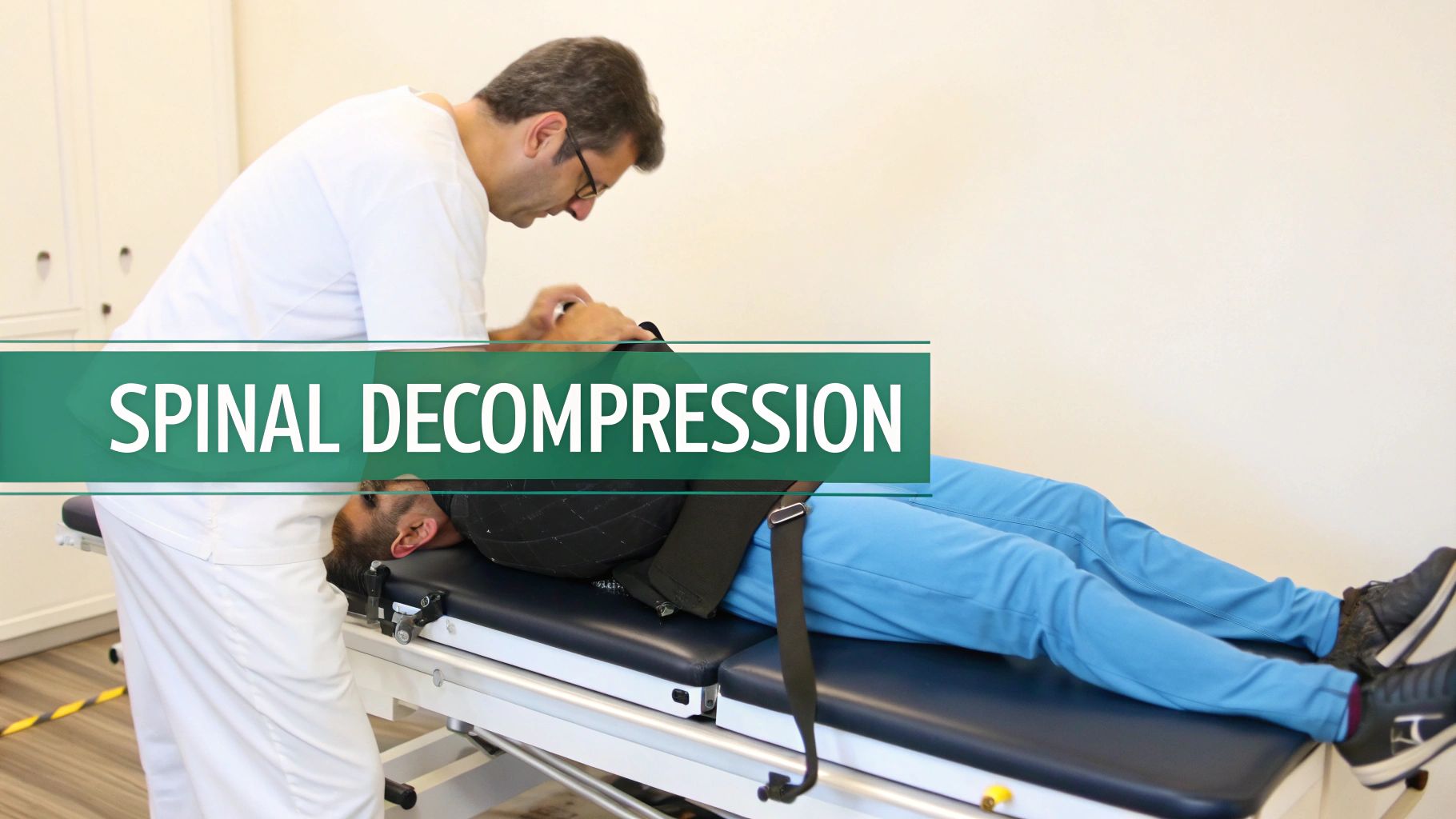
This therapy is particularly effective for individuals suffering from conditions where nerve compression is the primary culprit. We often recommend it for:
A patient with a significant L4-L5 disc herniation, who was previously considering surgery, experienced a 70% reduction in sciatica symptoms after a full course of spinal decompression therapy combined with core stabilization exercises.
To maximize the benefits of spinal decompression, a comprehensive approach is crucial.
Spinal decompression offers a powerful, non-invasive path to relief for many who thought surgery was their only option. To understand the specifics of how this works for neck-related nerve pain, you can learn more about our approach to decompression of the cervical spine.
Class IV cold laser therapy, also known as photobiomodulation, is an advanced, non-invasive treatment that uses specific wavelengths of light to accelerate healing and reduce nerve pain. The "cold" laser penetrates deep into tissue without generating heat, targeting damaged cells at a microscopic level. It stimulates the mitochondria, the powerhouses of your cells, to increase the production of ATP (cellular energy).
This energy boost enhances cellular repair, reduces inflammation, and improves blood circulation to the affected area. By operating at the cellular level, cold laser therapy is one of the best treatments for nerve pain because it supports the body’s natural healing processes, leading to lasting relief from conditions like peripheral neuropathy and soft tissue injuries.
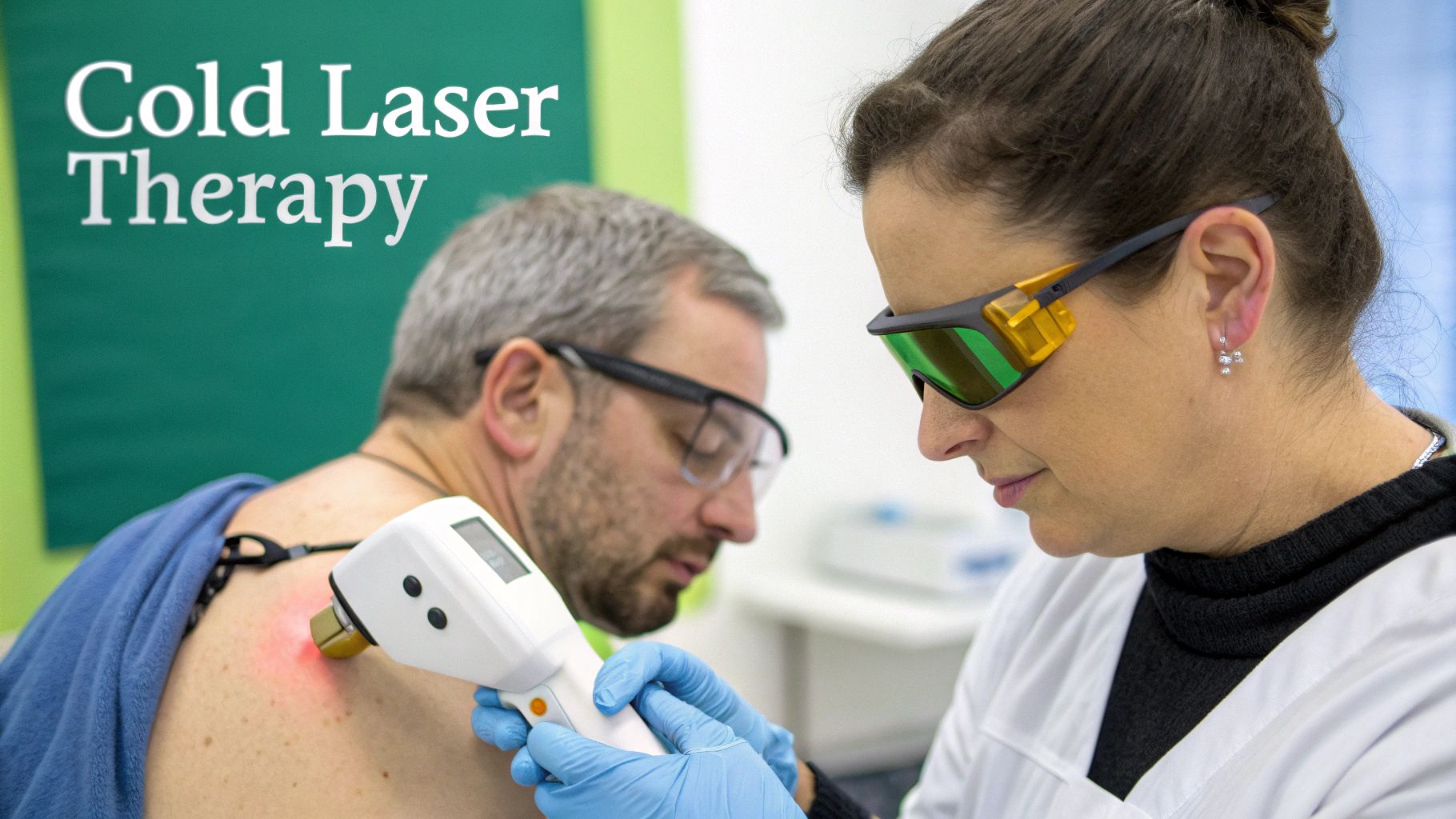
This therapy is highly effective for a wide range of nerve-related and inflammatory conditions, providing a gentle yet powerful solution. We often recommend it for:
A patient with diabetic neuropathy reported a 60% decrease in burning sensations in their feet and improved balance after just six sessions, allowing them to walk more comfortably.
To get the most out of your Class IV cold laser therapy sessions, a consistent and holistic approach is key.
This therapy offers a safe, pain-free way to stimulate deep healing. To get a deeper look into the science behind this treatment, you can discover more about how cold laser therapy works.
Computer-guided spinal adjustments represent a significant advancement in chiropractic care, offering a precise and gentle alternative to traditional manual techniques. The FDA-cleared PulStar system uses sophisticated computer analysis to identify areas of restricted joint motion in the spine. It then delivers a series of precise, low-force impulses to restore mobility, correct alignment, and relieve pressure on irritated nerves.
This technology provides real-time feedback, allowing the practitioner to see exactly how the spine is responding and adjust the treatment accordingly. This makes it an exceptionally safe and effective approach, earning its place as one of the best treatments for nerve pain, especially for patients who require a gentler touch. It directly targets the dysfunctional spinal segments that contribute to nerve compression and pain.
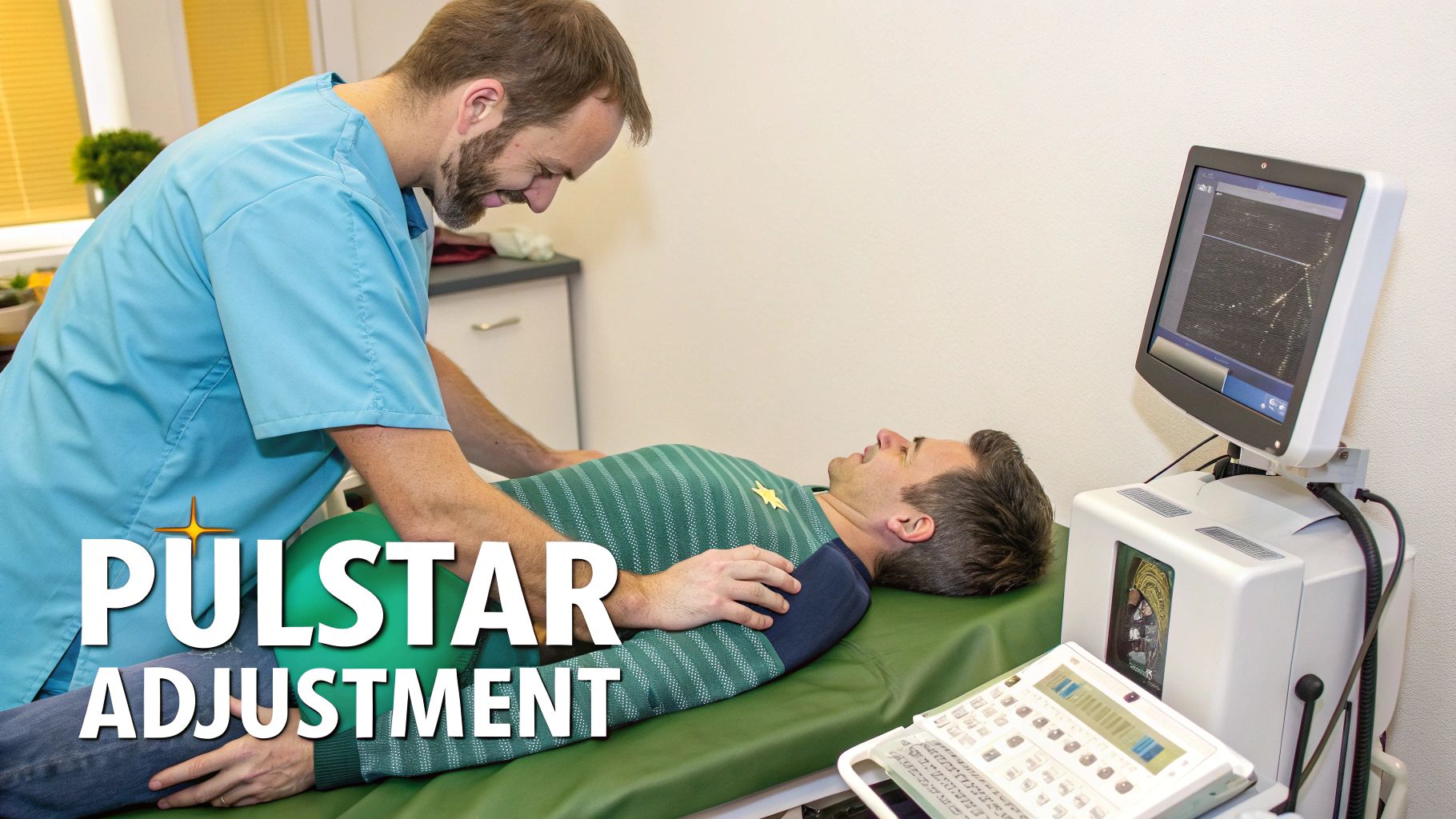
The gentle and precise nature of the PulStar system makes it an ideal treatment for a wide range of individuals, particularly those with sensitive conditions. We find it highly beneficial for:
An 82-year-old patient with spinal stenosis and a history of osteoporosis was able to manage her lumbar radiculopathy effectively with weekly PulStar adjustments, avoiding the need for high-risk pain medications and maintaining her mobility.
To get the most out of your computer-guided adjustment therapy, a proactive approach is key.
Specialized peripheral neuropathy care involves a comprehensive assessment to identify the root cause of nerve damage, followed by targeted rehabilitation protocols. This approach moves beyond simply managing symptoms like tingling, numbness, and burning. It aims to restore nerve function, reduce pain signaling, and address underlying contributors such as disc compression, poor circulation, or nutritional deficiencies.
A nerve rehabilitation program is a multimodal strategy, often combining advanced therapies to create a synergistic healing effect. By integrating treatments like spinal decompression, laser therapy, and specific nutritional support, we can offer one of the best treatments for nerve pain because it addresses the condition from multiple angles, promoting an optimal environment for nerve repair and functional recovery.
This intensive approach is designed for individuals with various forms of peripheral neuropathy, particularly when symptoms are progressing or impacting quality of life. We often recommend it for:
A patient with chemotherapy-induced neuropathy, who struggled with debilitating numbness in their feet, regained significant sensation and balance after a dedicated nerve rehabilitation program, allowing them to walk confidently without a cane.
To achieve the best possible outcomes from nerve rehabilitation, patient participation is key.
A dedicated, specialist-led program provides a structured path to managing and potentially reversing the debilitating effects of neuropathy. To explore our comprehensive methods, you can discover more about our chiropractic treatment for neuropathy.
Knee decompression therapy is an innovative, non-surgical treatment that alleviates chronic knee pain by creating space within the joint capsule. Using a specialized mechanical traction system, it gently separates the femur (thigh bone) and tibia (shin bone), reducing the painful bone-on-bone friction common in osteoarthritis and meniscus injuries. This process decreases pressure on cartilage and reduces inflammation.
The negative pressure generated inside the knee joint also enhances the circulation of synovial fluid, which lubricates the joint and delivers essential nutrients to damaged cartilage. By addressing the mechanical dysfunction within the knee, this therapy offers more than just symptom relief; it promotes a healing environment, making it an excellent treatment option for nerve pain originating from joint degradation.
This therapy is highly effective for individuals seeking to avoid knee surgery or manage chronic pain non-invasively. We often recommend it for:
One patient with moderate knee osteoarthritis, who was told a total knee replacement was their only option, was able to resume daily walks and gardening pain-free after completing a knee decompression protocol.
To achieve the best possible outcomes from knee decompression, a comprehensive and proactive approach is key.
Knee decompression offers a powerful alternative for restoring function and mobility, helping many individuals get back to the activities they love without invasive procedures.
Comprehensive nutritional counseling is a foundational approach that addresses the biochemical and metabolic factors contributing to nerve pain. This method involves a detailed assessment of your diet to identify and correct nutritional deficiencies or inflammatory patterns that can worsen conditions like neuropathy and disc degeneration. By optimizing your nutrient intake, we can create an internal environment that supports nerve repair and reduces systemic inflammation.
This strategy is one of the best treatments for nerve pain because it targets the root causes rather than just managing symptoms. Personalized supplementation protocols can accelerate healing by providing nerves with the specific building blocks they need to regenerate, while a targeted anti-inflammatory diet helps calm an overactive pain response system.
This integrative approach is highly beneficial for individuals whose nerve pain is linked to metabolic issues, chronic inflammation, or specific nutrient shortfalls. We often recommend it for:
A patient with diabetic neuropathy, struggling with persistent burning pain in their feet, saw a significant reduction in symptoms after three months of high-dose B vitamin supplementation and adopting a low-glycemic, anti-inflammatory diet.
To get the most out of nutritional interventions, a structured and consistent plan is key.
Horizontal Stimulation Therapy, commonly known as H-Wave, is an advanced form of electrical stimulation that helps manage pain and accelerate tissue healing. Unlike traditional electrical stimulation units that can cause muscle fatigue, H-Wave uses a unique, low-frequency waveform to create non-fatiguing muscle contractions. This process enhances blood flow and promotes lymphatic drainage, which helps flush out metabolic waste and reduce inflammation around irritated nerves.
This therapeutic action effectively reduces pain signals and creates an optimal environment for tissue regeneration. By supporting the body's natural healing mechanisms at a cellular level, H-Wave serves as one of the best treatments for nerve pain, particularly when poor circulation or chronic inflammation is a contributing factor.
This therapy is highly effective for patients dealing with chronic pain, poor circulation, and post-injury recovery. We find it particularly beneficial for:
A patient with diabetic neuropathy in their feet reported a significant reduction in burning sensations and improved feeling after a consistent protocol of H-Wave therapy, allowing them to walk more comfortably.
To get the most out of H-Wave therapy, it’s important to follow a structured and consistent plan.
Physical therapy is a cornerstone of effective nerve pain management, utilizing structured exercise protocols to address the root causes of nerve irritation. It focuses on correcting muscular imbalances, poor posture, and faulty movement patterns that compress or strain nerves. By restoring strength, flexibility, and stability, therapeutic exercise provides lasting relief and builds resilience against future injury.
This approach is one of the best treatments for nerve pain because it empowers you to take an active role in your recovery. A physical therapist designs a customized program that retrains your body to move correctly, strengthens the muscles supporting your spine and joints, and improves your overall function, directly alleviating the mechanical stresses contributing to your pain.
This hands-on, active approach is highly beneficial for nearly anyone with nerve-related pain, especially when mechanical or postural issues are involved. We find it essential for:
We frequently see patients with chronic tension headaches and neck pain achieve a complete turnaround. By strengthening deep neck flexors and improving thoracic spine mobility, they not only reduce nerve irritation but also eliminate the headaches that plagued them for years.
To get the most out of your physical therapy program, active participation is key.
Acupuncture is a cornerstone of traditional Chinese medicine that has gained widespread recognition as an effective treatment for nerve pain. The practice involves inserting very thin needles into specific points on the body, known as acupoints. This stimulation is believed to regulate the nervous system, release pain-relieving endorphins, and reduce inflammation along affected nerve pathways.
Acupressure works on the same principles but uses firm, targeted pressure instead of needles. Both techniques are considered a top-tier treatment for nerve pain because they offer a holistic approach, influencing the body's natural healing mechanisms and restoring balance without medication. Modern research suggests these methods can modulate pain signals sent to the brain, providing significant relief.
This therapy is highly versatile and can be adapted for various types of nerve-related pain, making it a valuable option for many individuals. We often recommend it for:
A patient with diabetic neuropathy, who struggled with persistent burning sensations in their feet, reported a significant reduction in pain and was able to sleep through the night after just six weekly acupuncture sessions.
To get the most out of your acupuncture or acupressure treatments, consistency and a supportive lifestyle are key.
A whole-body wellness assessment is a comprehensive diagnostic approach that identifies the interconnected factors contributing to your nerve pain. Instead of just focusing on the site of discomfort, this method evaluates how your entire system, from spinal alignment and nutritional status to lifestyle stressors, works together. It recognizes that nerve pain is often a symptom of deeper, systemic imbalances.
By analyzing these root causes, we can create a highly personalized care plan that integrates multiple therapies tailored specifically to your needs. This holistic strategy ensures more efficient healing and lasting results, making it one of the best treatments for nerve pain, especially for complex or chronic cases where other methods have failed to provide relief.
This comprehensive assessment and planning process is ideal for individuals with complex, multifactorial, or stubborn conditions. We highly recommend it for:
A patient with persistent sciatica and chronic fatigue, who had seen minimal improvement with standard physical therapy, discovered a significant vitamin B12 deficiency and major postural imbalances during their whole-body assessment. The resulting integrated plan addressed these core issues, leading to a complete resolution of their nerve pain and a dramatic increase in energy levels.
To get the most out of a personalized wellness plan, your active participation is key.
| Item | Implementation complexity | Resource requirements | Expected outcomes | Ideal use cases | Key advantages |
|---|---|---|---|---|---|
| Spinal Decompression Therapy | Moderate — device protocols and clinician oversight | Motorized traction table, clinic space, multiple sessions | Reduction in disc-related pain and radiculopathy; variable durability without adjuncts | L4–L5/L5–S1 herniation, sciatica, disc degeneration | Non-surgical, FDA-cleared, customizable protocols |
| Class IV Cold Laser Therapy | Low–moderate — device operation and dosing knowledge | Class IV laser device, protective eyewear, repeated short sessions | Faster pain relief and reduced inflammation; accelerated tissue healing | Peripheral neuropathy, soft-tissue injuries, chronic pain | Deep tissue photobiomodulation, rapid symptomatic relief |
| Computer-Guided Spinal Adjustments (PulStar) | Moderate — device training and data interpretation | PulStar-style instrument, trained practitioner, clinical monitor | Precise low-force spinal corrections with measurable change | Fragile patients, those intolerant of manual thrusts, complex alignment issues | Objective feedback, gentle targeted adjustments, lower injury risk |
| Peripheral Neuropathy Specialist Care & Nerve Rehabilitation | High — multidisciplinary assessment and long protocols | Specialists (PT, nutrition, devices), diagnostics, long-term follow-up | Improved nerve conduction, symptom reduction over months; may slow progression | Diabetic neuropathy, chemo-induced neuropathy, advanced sensory loss | Addresses root causes with integrated, personalized multimodal care |
| Knee Decompression Therapy | Moderate — joint-specific protocols and monitoring | Motorized knee traction system, PT adjuncts, multiple visits | Reduced arthritic pain, improved mobility; may delay surgery | Knee osteoarthritis, meniscus injuries, chronic knee pain | Non-surgical joint unloading, promotes synovial circulation and cartilage relief |
| Comprehensive Nutritional Counseling & Supplementation | Low–moderate — assessment and tailored plans | Dietitian/nutritionist, laboratory testing, supplements, patient adherence | Reduced systemic inflammation, improved nerve support over weeks–months | Metabolic/inflammatory contributors to neuropathy and disc disease | Targets metabolic root causes; enhances other therapies, low adverse effects |
| Horizontal Stimulation Therapy (H-Wave) | Low — device application and protocol adherence | H-Wave unit (clinic or home), electrode supplies, regular sessions | Pain reduction, improved circulation and lymphatic flow; aids tissue healing | Chronic muscle pain, poor circulation, post-injury edema | Painless stimulation, portable home use, circulatory and lymphatic benefits |
| Physical Therapy & Therapeutic Exercise Protocols | Moderate — individualized assessment and progressive loading | PT visits, exercise equipment, patient time commitment | Long-term strength, stability and reduced recurrence of pain | Movement-related pain, post-op rehab, prevention and functional recovery | Addresses mechanical causes, sustainable functional improvement |
| Acupuncture & Acupressure for Nerve Pain | Low–moderate — practitioner skill and point selection | Trained acupuncturist, sterile needles or acupressure tools, sessions | Pain reduction, improved sleep and quality of life; variable individual response | Chronic pain, neuropathy, patients seeking non-pharmacologic care | Minimal side effects, endogenous analgesia, whole-body regulatory effects |
| Whole-Body Wellness Assessment & Personalized Care Planning | High — comprehensive evaluation and coordinated planning | Multidisciplinary team, diagnostics, extended assessment time | Identification of root contributors; optimized, integrated treatment outcomes | Complex, refractory, multi-factorial chronic conditions | Holistic, personalized protocols that prevent recurrence and improve outcomes |
Navigating the landscape of nerve pain treatments can feel like an endless journey filled with complex choices and conflicting advice. We've explored ten powerful, non-surgical approaches, from the targeted mechanical relief of Spinal Decompression to the cellular-level healing of Class IV Cold Laser Therapy. Each option offers a unique pathway to reclaiming your life from the grip of chronic pain.
The central takeaway is this: the best treatment for nerve pain is rarely a single, isolated therapy. Instead, it is a synergistic, personalized strategy that addresses the root cause of your discomfort, rather than just masking the symptoms. True, lasting relief comes from an integrated approach that acknowledges the intricate connection between your nerves, structure, and overall systemic health.
The most effective and sustainable results emerge when we move beyond a symptom-based mindset. Consider these core principles as you map out your recovery plan:
Empowered with this knowledge, your path forward becomes clearer. The goal is to stop chasing temporary fixes and start building a foundation for permanent well-being. This requires a shift from passive patient to active participant in your own recovery.
The most critical step is to seek a comprehensive diagnostic evaluation from a specialist who understands this multifaceted approach. A thorough assessment that goes beyond a standard MRI or X-ray is necessary to identify all contributing factors, from the compressed disc to the underlying metabolic imbalances.
Choosing the best treatment for nerve pain means selecting a partner in your health who can integrate these advanced therapies into a cohesive, customized plan. It means finding a team that listens, understands your unique situation, and has the expertise to guide you toward a life free from the limitations of chronic pain. By taking this proactive, informed step, you are not just treating pain; you are investing in a future of renewed mobility, comfort, and vitality.
Ready to discover a truly integrated and personalized solution? The expert team at Bonesetters Critical Chiropractic, led by Dr. Leonard Hayes, specializes in creating comprehensive, non-surgical care plans that address the root cause of your nerve pain. Schedule your consultation at Bonesetters Critical Chiropractic to begin your journey toward lasting relief and reclaim your health.