
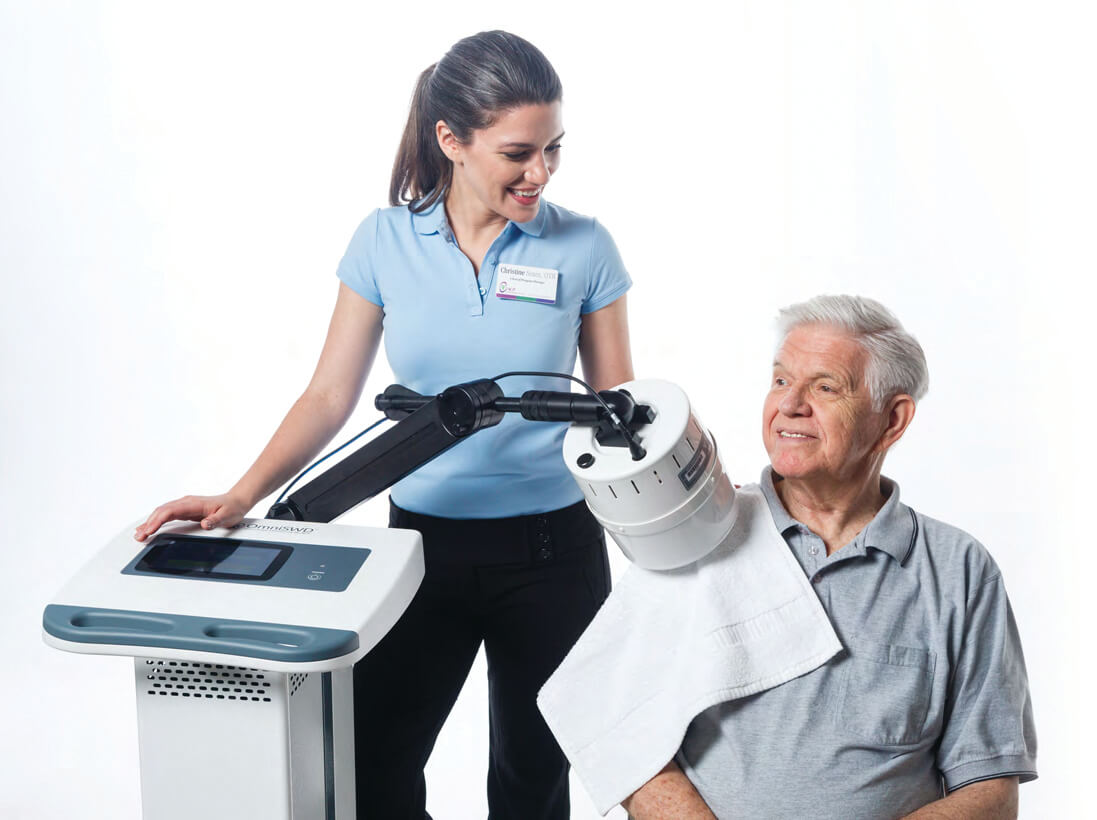
Living with chronic pain—whether it’s a nagging heel ache that greets you every morning or a frozen shoulder that limits your reach—can be physically exhausting and emotionally draining. Many people find themselves trapped in a cycle of discomfort, relying on temporary medications that mask symptoms without addressing the underlying cause. If you are searching for a solution that goes beyond pills or invasive surgery, you are likely looking for a therapy that targets the root of the problem to provide lasting relief.
This guide introduces you to Extracorporeal Shock Wave Therapy (ESWT), a breakthrough, non-surgical treatment that uses acoustic waves to stimulate the body's natural healing capabilities. The goal here is to demystify the treatment process entirely. By walking through exactly what shock wave therapy is, how to find a qualified provider when searching for "shock wave near me," and what to expect during a first visit, you can approach your recovery with confidence and clarity.
A common misconception regarding this therapy is the fear of electricity; however, Extracorporeal Shock Wave Therapy utilizes high-energy sound waves, known as acoustic pulses, rather than electrical shocks. These mechanical waves are generated outside the body and transmitted through a handpiece to penetrate deep into damaged tissue without breaking the skin.
The core biological mechanism at work is a process known as "neovascularization," which essentially means the formation of new blood vessels. When these acoustic waves enter the injured area, they create controlled micro-trauma that tricks the body into thinking a new injury has occurred.
There are two main types of shock wave delivery systems used in clinical settings: radial and focused. Radial pressure waves disperse over a wider surface area, making them ideal for treating larger muscle groups and superficial tendon issues. Conversely, focused shock waves concentrate energy at a specific, deeper point within the body, which is often preferred for targeting precise issues near bone or deeper within the anatomy, allowing for a tailored approach depending on the specific condition being treated.
Shock Wave Therapy
Shock wave therapy has earned a reputation for being particularly effective in treating tendons that naturally have a poor blood supply, which often makes them slow to heal. Conditions such as plantar fasciitis, Achilles tendinitis, and tennis elbow respond well to this stimulation because the acoustic waves forcefully encourage blood flow into these hypovascular areas.
Over time, chronic inflammation can lead to the formation of calcium deposits in joints, particularly the shoulder, or result in rigid scar tissue that restricts natural movement. The high-energy acoustic pulses generated during a session can mechanically break down these pathological calcium deposits, allowing the body to reabsorb them naturally.
Beyond tendons and bones, this therapy serves as a powerful tool for addressing myofascial pain syndromes. The pressure waves can penetrate deep into the muscle belly to release stubborn trigger points—commonly known as muscle knots—that manual massage or foam rolling often cannot reach effectively.
When you begin your search for "shock wave near me," it is critical to verify that the clinic utilizes FDA-cleared medical devices. Not all machines are created equal; some lower-grade consumer units found in gyms or spas lack the power and precision necessary to induce a therapeutic physiological change.
The skill of the practitioner is just as important as the quality of the machine. Patients should look for providers who specialize in musculoskeletal rehabilitation and have undergone specific training in shock wave protocols. A generalist who has simply added the device as an afterthought may not understand the nuances of energy settings and anatomical targeting required to get the best results, whereas a specialist will know how to tailor the treatment to your specific injury.
A reputable provider will never apply shock wave therapy without first conducting a thorough examination. This includes a comprehensive review of your medical history and a physical exam to accurately diagnose the issue and ensure you are a safe candidate for the procedure.
The setup for a session is straightforward and typically non-intimidating for the patient. The practitioner will apply a coupling gel to the skin over the injured area, which functions similarly to the gel used during an ultrasound. This gel is essential because it eliminates air pockets between the skin and the device, ensuring that the acoustic waves travel efficiently from the applicator head directly into the targeted tissue without energy loss.
Patients often ask, "Does it hurt?" and the honest answer is that there may be some discomfort, often described as a deep pulsing or tapping sensation. However, the intensity is completely adjustable, and the practitioner will start at a low level and gradually increase it based on individual tolerance. Open communication during the session ensures that the treatment remains within a therapeutic but manageable range, avoiding unnecessary pain while still delivering enough energy to be effective.
One of the major conveniences of this therapy is the speed of administration. A typical session lasts only 10 to 20 minutes, making it easy to fit into a busy schedule. Most treatment plans involve scheduling sessions once a week, a cadence that is designed to allow the tissue sufficient time to recover and regenerate between treatments, ensuring the cumulative healing effect is maximized without overworking the area.
Bonesetters Critical Care Chiropractic adopts a philosophy that views shock wave therapy not merely as a standalone fix but as a crucial component of a broader strategy. By integrating this technology into a holistic care plan, the focus shifts to resolving complex, chronic conditions at their source.
This practice utilizes advanced shock wave modalities in combination with gentle, precision-based chiropractic care. This dual approach addresses the soft tissue injury via acoustic waves while simultaneously correcting underlying structural misalignments through chiropractic adjustments.
The ultimate mission is to provide a lifeline for patients who feel they have failed with other treatments. By utilizing shock wave therapy to aggressively break the cycle of chronic inflammation and stimulate repair, the practice restores quality of life to those who had lost hope.
Unlike surgical interventions or invasive injections, shock wave therapy typically requires no downtime. Most patients are surprised to find they can drive themselves home and return to daily activities immediately following a session. While normal routine is encouraged, practitioners often advise restricting strenuous high-impact exercise for about 24 hours to give the treated tissue a brief period of rest.
The side effect profile is generally mild and short-lived. Some patients may experience temporary redness, slight swelling, or minor bruising at the specific site of treatment due to the physical stimulation of the area. These reactions are normal indicators that the body’s inflammatory healing response has been triggered and usually resolve on their own within a few days without intervention.
Despite its safety, there are specific contraindications that must be respected to ensure patient well-being. Individuals who are pregnant, have a pacemaker, are suffering from an active infection in the treatment area, or are currently taking blood-thinning medication should generally avoid this therapy.
Patients often experience a dual-phase response to treatment. Some report an immediate analgesic effect, feeling significantly less pain right after the session due to the overstimulation of nerve fibers which temporarily blocks pain signals. However, it is important to understand that the true tissue healing—the regeneration of tendons and vessels—is a cumulative physiological process that takes place over several weeks following the treatment course.
Managing expectations is key to a successful outcome. A typical protocol usually involves a series of 3 to 6 sessions, depending on the severity and chronicity of the injury. Consistency is vital; skipping sessions or ending the treatment plan prematurely can interrupt the biological healing cascade, so adhering to the recommended schedule gives the body the best chance to achieve lasting results.
Clinical evidence supports the notion that successful shock wave therapy does more than just stop the hurt; it improves the quality of the tissue itself. The process leads to stronger, more resilient tendon and muscle fibers with improved collagen structure. This structural improvement not only alleviates current symptoms but also significantly reduces the likelihood of re-injury in the future, offering a long-term solution rather than a quick fix.

Shock Wave Therapy Service Provider
Pairing shock wave therapy with chiropractic adjustments creates a powerful synergy for healing. While the shock waves work to repair the damaged soft tissue, chiropractic care aligns the skeletal structure to ensure the body is moving mechanically correctly. This combination removes the physical stress that may have caused the injury in the first place, creating a stable foundation for the new tissue to anchor to.
Passive treatment alone is rarely enough for complete rehabilitation. Practitioners will often prescribe specific loading exercises to be performed as the tissue heals. These exercises are crucial because they provide the mechanical stress needed to organize the new collagen fibers into a strong, linear pattern, ensuring that the healed tendon or muscle is capable of handling the demands of daily movement and sport.
The body requires raw materials to build new tissue, and nutrition plays a significant role in this phase. Increasing hydration helps flush metabolic waste, while specific nutrients can support the body's increased metabolic demand. Intake of collagen protein or Vitamin C, for example, can provide the necessary building blocks for tendon and ligament repair, essentially fueling the construction crew that the shock wave therapy has sent to work.
Shock wave therapy represents a significant advancement in non-invasive regenerative medicine, offering a scientifically backed option for those suffering from chronic pain. By understanding the mechanism of acoustic waves, the importance of choosing a qualified provider, and the necessity of a comprehensive treatment plan, patients can make informed decisions about their health. The combination of minimal side effects, lack of downtime, and the potential for long-term tissue repair makes it a compelling alternative to surgery or lifelong medication.
You do not have to accept chronic pain as your new normal. Advanced therapies exist to help your body heal from the inside out, restoring not just comfort, but function and mobility. If you are ready to explore how shock wave therapy can help you reclaim your active life, consider searching for a qualified provider or contacting Bonesetters Critical Care Chiropractic for a consultation today.
Bonesetters: Critical Care Chiropractic Clinic
https://maps.app.goo.gl/ekdeZy1WhR7UTJNPA
15510 Olive Blvd, Chesterfield, MO 63017
(636) 735-3599
https://bonesetters.org/