

Chronic discomfort has quietly become a normal part of daily existence for many people. It often starts as a stiff neck in the morning, a dull ache in the lower back after sitting, or persistent fatigue that coffee cannot fix. Instead of questioning why the body is struggling, individuals frequently accept these signals as inevitable signs of aging or stress. However, these symptoms are often not merely bad luck or genetic fate; they are the result of an underlying structural issue known as spinal misalignment.
This guide aims to shift the focus from chasing temporary relief to achieving lasting structural correction. Understanding the distinction between masking symptoms and fixing the root cause is the first step toward genuine recovery. Corrective chiropractor near me differs significantly from conventional pain management because it does not stop at simply making you feel better for a few hours. Instead, the goal is to objectively analyze the spine and restore its proper geometry.
Conventional approaches to back and neck pain often focus entirely on the site of discomfort. If a patient points to their lower back, therapies are applied to that specific area to numb the pain or relax the muscles. While this might provide a few days or weeks of respite, the pain almost invariably returns because the underlying structural flaw remains untouched.
Corrective care operates on a completely different philosophy, viewing the spine as a complex architectural structure that must be aligned correctly to function. A corrective care chiropractor is like an engineer for the body; the primary objective is to identify spinal misalignments—often called subluxations—and methodically guide the spine back to its normal curvature and alignment.
When the spine is restored to its proper alignment, the abnormal pressure placed on nerves, discs, and joints is physically removed. This restoration allows the nervous system to communicate freely without interference, which is the catalyst for true healing. By fixing the mechanics of the body rather than just muting the pain signals, the body can repair itself naturally, preventing the recurrence of symptoms and fostering a state of health that lasts far beyond the final adjustment.

Corrective Chiropractic Care
One of the most accessible ways to screen for misalignment involves a simple visual check in a mirror. Common red flags include one shoulder sitting higher than the other, hips that appear uneven, or a head that juts forward past the shoulders. Even examining the soles of one's shoes can reveal uneven wear patterns, indicating that the body is carrying weight asymmetrically due to a shift in the spinal structure.
While posture tells a visual story, the body also communicates misalignment through persistent physical signals. Chronic headaches that return despite medication, neck or back pain that never fully resolves, and sciatica are all classic indicators of structural issues.
Not all signs of misalignment manifest as localized pain; some effects are systemic and more subtle. Issues such as chronic fatigue, poor sleep quality, or a weakened immune system leading to frequent illnesses can be traced back to nervous system interference caused by spinal shifts.
Finding the right provider requires looking beyond a generic search for a chiropractor. To find a specialist focused on long-term structural changes, it is essential to use specific search terms such as "corrective care chiropractor," "structural correction," or "chiropractic biophysics." When typing "corrective chiropractor nearby" into a search engine, these specific qualifiers help filter out generalists and highlight clinics dedicated to spinal remodeling and rehabilitation.
Once a list of potential clinics is generated, a thorough review of their websites can reveal their clinical philosophy. A true corrective office will usually feature a clear explanation of their approach to structural correction rather than just listing pain relief modalities. Look for evidence of their work, such as before-and-after X-ray or postural images that demonstrate objective changes in spinal alignment, as well as patient testimonials that speak to long-term resolution of chronic issues.
Before booking an appointment, a few targeted questions to the front desk can verify if the office provides corrective care. Asking "Do you take X-rays to determine the exact degree of misalignment?" or "Is your goal to correct the shape of the spine?" can save time and money.
A hallmark of corrective chiropractic care is the refusal to guess when it comes to a patient's health. Specialized spinal imaging, such as digital X-rays, is mandatory before any treatment begins because it allows the doctor to see the exact nature of the misalignment. These images serve as a precise architectural blueprint, revealing the direction and degree of spinal shifts, which dictates the specific vectors and angles needed for effective adjustment.
In addition to imaging, a thorough examination typically includes digital postural assessments and neurological testing. These diagnostics measure how the structural misalignment is negatively impacting the body's function and nervous system performance. By quantifying factors like head tilt, hip rotation, and nerve function, the practitioner gains a holistic view of the patient's condition, ensuring that the care plan addresses both the structure and the physiological consequences of the misalignment.
These objective measurements serve a purpose far beyond the initial diagnosis; they establish a concrete baseline for tracking progress. Rather than relying on subjective feelings of pain or comfort, which can fluctuate daily, the corrective care team uses this data to monitor actual structural changes.
Practices like Bonesetters Critical Care Chiropractic distinguish themselves by focusing relentlessly on the root cause of dysfunction. Rather than managing symptoms, the clinical focus is on identifying the specific structural shifts that are generating chronic pain and disability.
To achieve structural correction, advanced diagnostic tools and specific adjustment protocols are utilized. This often involves gentle, low-force techniques and specialized equipment designed to remodel the spine and ligaments over time. Unlike general manipulation which acts to mobilize joints, these precision techniques are calculated to restore the spine's natural curves, ensuring that the correction is both safe and effective for patients of various ages and conditions.
The ultimate objective of this advanced care goes beyond the elimination of back or neck pain. The mission is to restore full function and overall health, empowering patients to reclaim an active, fulfilling life. By correcting the structure, the body creates an environment where optimal health can thrive, allowing individuals to return to the sports, hobbies, and daily activities they love without fear of relapse or limitation.
The journey to correction typically begins with an intensive phase involving more frequent visits. Because the muscles and ligaments have adapted to the misaligned position over years, the spine requires frequent reinforcement to break these old patterns and halt the degenerative process.
Once the spine begins to hold its new alignment and symptoms subside, the care plan transitions into a stabilization phase. Visits become less frequent as the focus shifts toward strengthening the supporting muscles and ligaments to lock in the correction. Rehabilitation exercises are often introduced during this time to build endurance in the postural muscles, ensuring they are strong enough to maintain the spine's corrected position during daily activities.
The final stage of the journey is wellness or maintenance care, which resembles a dental check-up for the spine. Periodic visits are scheduled to ensure the spine maintains its proper alignment and to catch any minor shifts before they become major issues. This proactive phase is about preserving the investment made in one's health, preventing relapse, and supporting the nervous system for lifelong vitality and optimal performance.
Passive care in the office is powerful, but it must be supplemented by active participation at home. Patients are typically given specific spinal hygiene exercises and traction methods designed to support the adjustments received in the clinic. These prescribed movements help mold the ligaments and strengthen the muscles around the spine, accelerating the healing process and holding the structural changes in place between visits.
Achieving lasting results also requires looking at how daily habits contribute to misalignment. Practical advice is often provided regarding ergonomic setups, such as proper computer monitor height, correct lifting techniques, and supportive sleeping positions. Making these small but significant lifestyle modifications ensures that patients stop re-injuring themselves daily, creating an environment where the spine can heal rather than constantly battling against poor posture.
The success of corrective care relies heavily on the partnership between the doctor and the patient. While the chiropractor provides the skilled adjustments, the patient's commitment to keeping appointments and following at-home protocols is the variable that determines the speed and quality of the results.
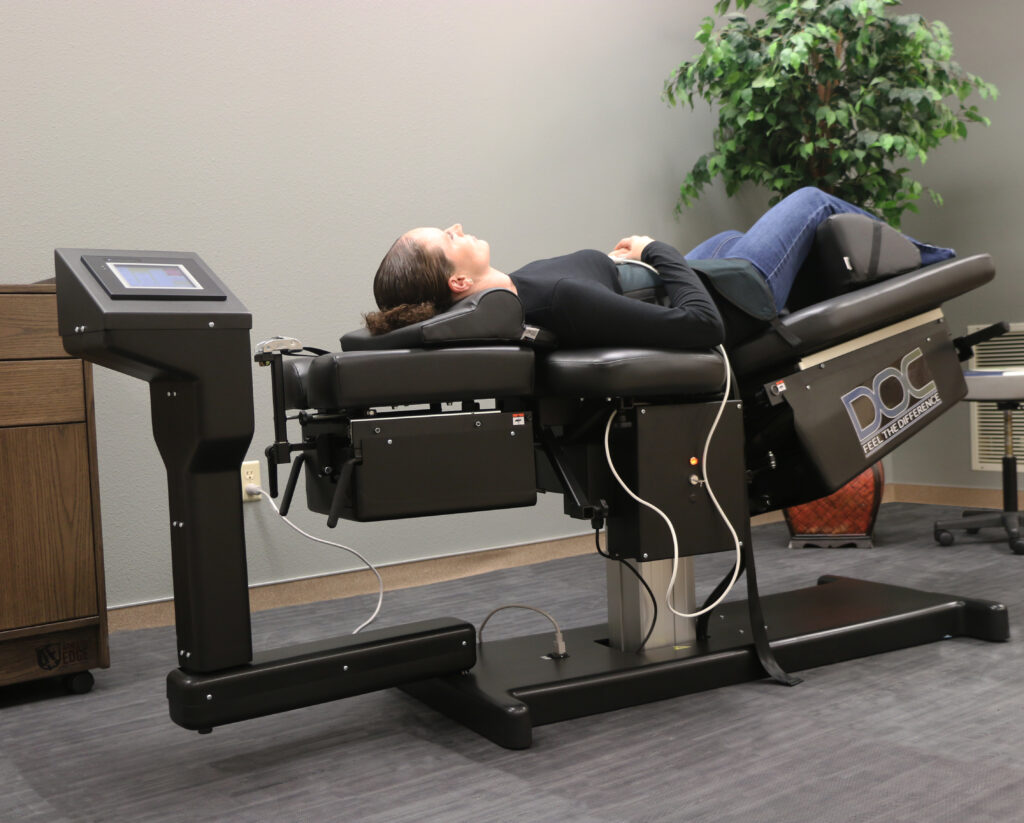
Corrective Chiropractic Therapy
In a corrective care setting, success is not determined by guesswork or temporary symptom relief. Periodic re-examinations are conducted, often including follow-up X-rays or postural scans, to show measurable, objective changes in spinal alignment. These comparisons provide visual proof that the spine is correcting, validating the treatment plan and offering peace of mind that the underlying structure is actually changing.
Beyond the X-rays, patients often report profound improvements in their overall quality of life. Success manifests as increased energy levels, deeper and more restorative sleep, and significantly enhanced mobility. When the nervous system is free from interference, the body functions at a higher level, leading to a greater sense of well-being and a capability to handle physical stress that was previously impossible.
The ultimate definition of success is achieving a stable, corrected spine that no longer requires intensive intervention. Reaching this state allows the focus to shift entirely to proactive wellness and prevention rather than reactive pain management. This freedom enables patients to look forward to a future where their health is an asset to be maintained, rather than a problem to be fixed.
Understanding the difference between temporary relief and true structural correction is the key to unlocking long-term health. By prioritizing objective diagnostics and committing to the structured phases of corrective care, it is possible to address the root cause of pain rather than just managing the symptoms. The journey requires effort and participation, but the reward is a body that functions as it was designed to.
You do not have to accept chronic pain, fatigue, and dysfunction as your normal state of being. By choosing a path of correction, you are making a powerful investment in your future, ensuring that your body remains strong, mobile, and vital for years to come.
Stop living with misalignment. It is highly encouraged to schedule a consultation with a qualified provider by searching for a "corrective chiropractor near me" to get a precise diagnosis. Begin the journey toward a structurally sound and healthier life today.
Bonesetters: Critical Care Chiropractic Clinic
https://maps.app.goo.gl/ekdeZy1WhR7UTJNPA
15510 Olive Blvd, Chesterfield, MO 63017
(636) 735-3599
https://bonesetters.org/