
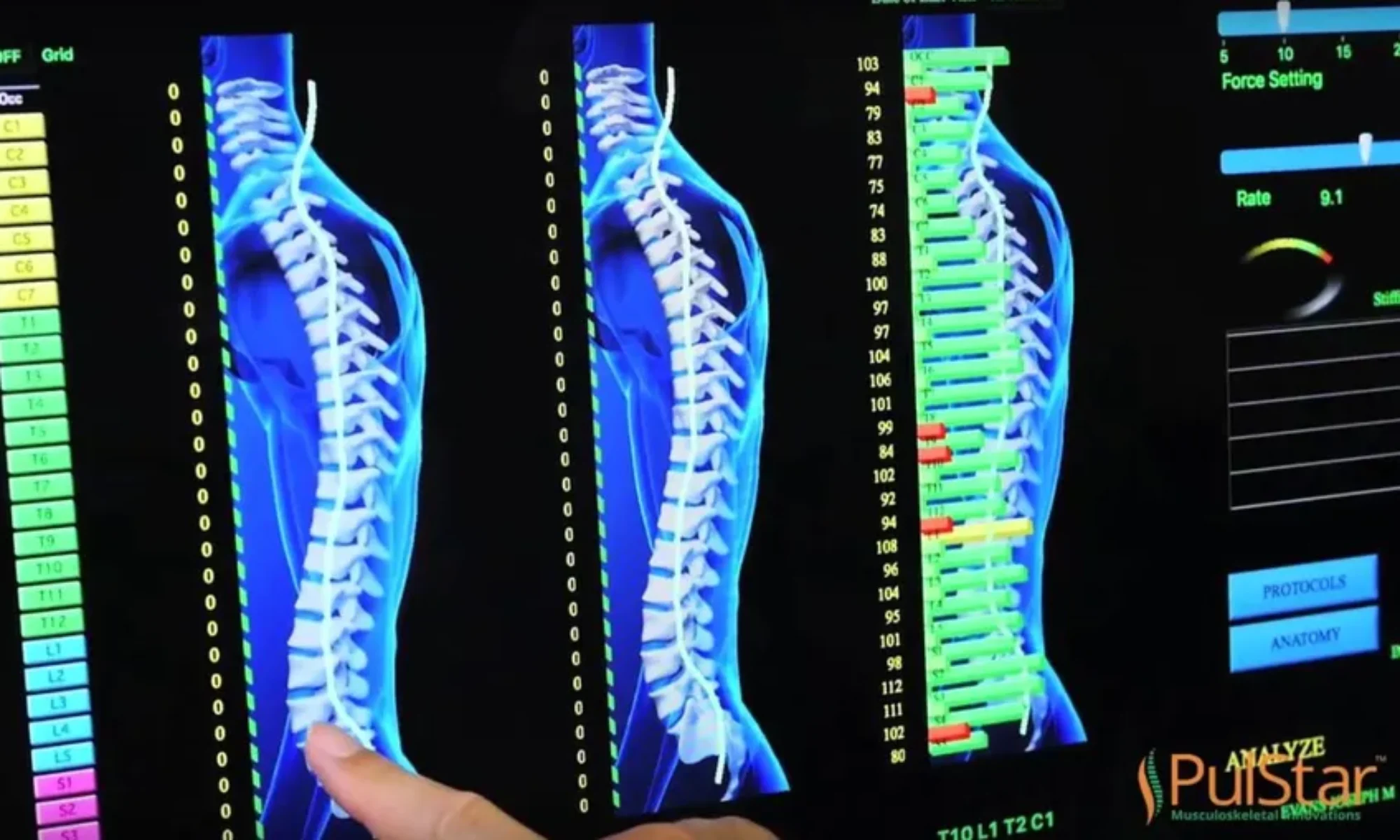
Living with a herniated disc imposes an intense physical and emotional toll that is difficult to describe to someone who hasn't experienced it. The sharp, radiating nerve pain can transform simple, everyday tasks like sitting at a desk, tying shoelaces, or finding a comfortable sleeping position into agonizing ordeals. It is a condition that often feels isolating, leaving sufferers to wonder if they will ever return to their normal lives without constant discomfort.
When typing "herniated disc treatment near me" into a search bar, the sheer volume of results can be overwhelming and confusing. You might find everything from quick-fix gadgets to advertisements for major surgery, making it hard to know who to trust or where to start. This guide aims to cut through that noise, helping you distinguish between treatments that merely mask the pain temporarily and those that offer true structural healing. The goal is to move beyond short-term management and find a solution that addresses the root of the problem.
To understand the injury, one must first understand the mechanics of the spine, specifically the intervertebral discs that act as the body's shock absorbers. These discs consist of a tough outer layer called the annulus fibrosus and a soft, gel-like inner core known as the nucleus pulposus. A herniation occurs when that soft inner core pushes through a tear in the tough outer layer, much like jelly squeezing out of a donut.
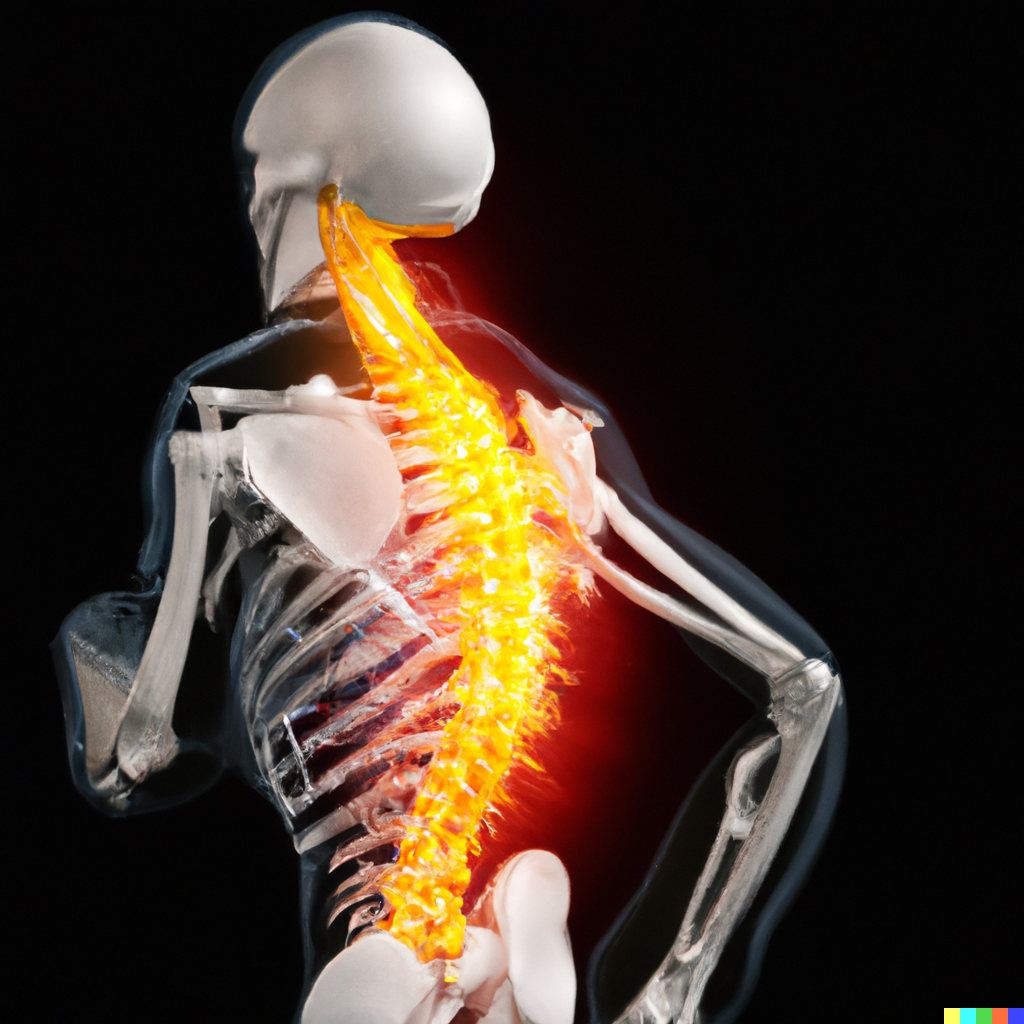
It is crucial to understand the difference between localized back pain and radiculopathy, which is the hallmark of a herniated disc pressing on a nerve. While general back pain stays in the spinal area, a herniation often causes nerve pain that travels, manifesting as numbness, tingling, or shooting pain in the arms or legs—commonly known as sciatica.
Herniated discs can result from a variety of causes, ranging from acute injuries like car accidents to improper lifting techniques at the gym or work. However, they are also frequently the result of gradual wear and tear associated with aging and degenerative disc disease, where the discs lose hydration and become more brittle over time.
Herniated Disc Treatment
Anti-inflammatory medications and corticosteroid injections are often the first line of defense offered in conventional medical settings. While these interventions function as effective bridges for pain relief by reducing inflammation around the nerve root, they do not repair the mechanical issue of the disc itself.
Physical therapy plays a vital role in recovery by strengthening the surrounding musculature to better support the spine and reduce the load on the injured disc. Through targeted exercises, patients can improve flexibility and core stability, which helps prevent compensatory injuries in other parts of the body. However, while exercise is essential for long-term stability, it is important to note that movement alone may not be enough to retract severe disc displacement or resolve significant nerve compression without concurrent structural correction.
Surgery, such as a discectomy or spinal fusion, is sometimes presented as the only option for relief, but it should generally be considered a last resort. These procedures are invasive and carry inherent risks, including recovery time and the potential for "failed back surgery syndrome." A balanced approach recognizes that surgery is necessary in rare cases involving progressive neurological deficits, but for many patients, advanced conservative care can provide a successful resolution without going under the knife.
When evaluating clinics for "herniated disc treatment nearby," look for those that invest in specific technology designed for disc injuries. Standard chiropractic adjusting benches may not be sufficient for treating a compromised disc; instead, look for clinics offering non-surgical spinal decompression tables.
The initial consultation is a critical opportunity to gauge whether a provider is the right fit for your complex condition. A high-quality provider will listen compassionately to your history and ask detailed questions about your neurological symptoms, such as the specific distribution of numbness or weakness. If a practitioner rushes through the exam or fails to perform thorough orthopedic and neurological testing, it may be a sign to continue your search for a more thorough specialist.
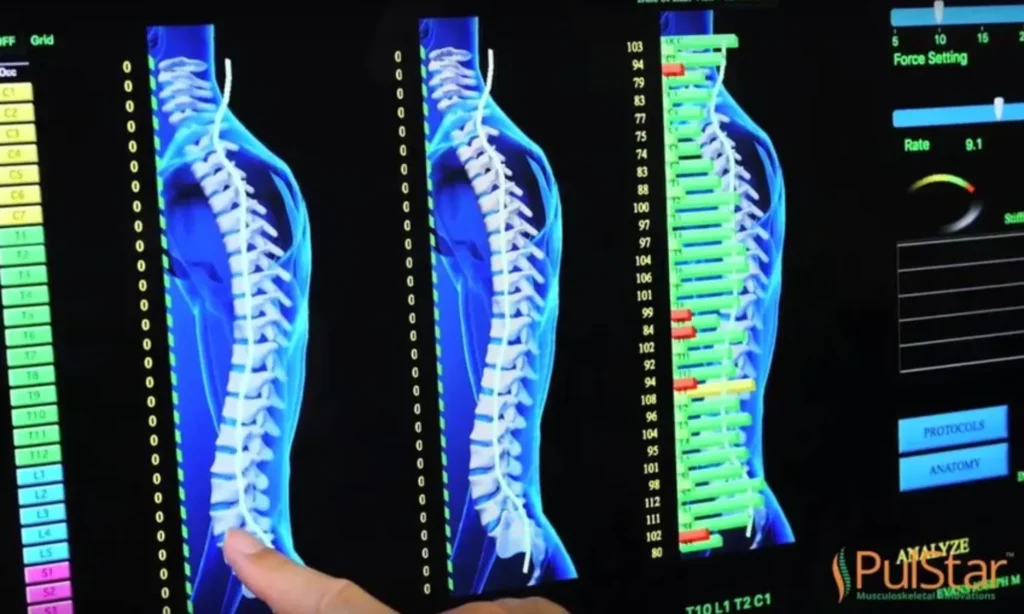
Effective treatment relies on measurable clinical data rather than just subjective feelings of improvement. It is important to find a practitioner who utilizes imaging and consistent re-examinations to track the regression of the herniation and the improvement of nerve function. Relying solely on how you "feel" day-to-day can be misleading, as pain levels can fluctuate; objective evidence ensures that the treatment protocols are actually stabilizing the spine and promoting true physiological healing.
Bonesetters Critical Care Chiropractic distinguishes itself by specializing in treating patients with severe disc pathology who may have been told surgery is their only remaining option. This "critical care" approach goes beyond standard chiropractic adjustments, focusing specifically on high-risk, complex spinal conditions that require a higher level of expertise and precision.
The treatment methodology typically involves low-force, instrument-assisted techniques and advanced decompression therapies that are safe for compromised discs. Unlike general chiropractic manipulation that might involve twisting or cracking—movements that can aggravate a herniation—these gentle methods aim to restore disc height and alignment without adding stress to the injury.
A core philosophy of this approach is looking beyond the symptomatic disc to identify and correct the global spinal misalignments that caused the failure in the first place. Often, a herniated disc is the result of years of uneven pressure caused by poor posture or spinal imbalances elsewhere in the column.
Non-surgical spinal decompression works by creating negative intradiscal pressure, a physical phenomenon that acts like a vacuum inside the disc. By gently stretching the spine on a specialized table, the pressure within the disc drops, creating a suction force that can pull the herniated gel material back into the center of the disc.
This therapy facilitates the flow of water, oxygen, and nutrients into the disc, which is essential for healing since discs have a very poor natural blood supply. The pumping action generated by the decompression cycles mimics the natural nutritional exchange that happens during healthy movement, but in a more targeted and amplified way.
Prospective patients are often anxious about pain, but decompression therapy is generally a very comfortable and relaxing experience. Patients lie fully clothed on a comfortable table while the computer-controlled system applies a gentle, rhythmic pulling force. The sensation is often described as a relief of pressure, and the treatment is so gentle that many patients actually fall asleep during their sessions.
A responsible clinician will never guess when it comes to a herniated disc; visualizing the exact level and severity of the herniation via X-rays or MRI is crucial for safety. These images allow the doctor to see the extent of the disc bulge, the condition of the surrounding bone, and any other complicating factors.
An expert provider uses imaging not just to see the bone structure, but to understand how the structural deformity correlates with your specific nerve pain patterns. For example, an MRI showing a herniation at L5-S1 should match symptoms of sciatica radiating down the back of the leg; if the symptoms don't match the imaging, further investigation is needed.
Follow-up imaging is valuable to objectively verify that the spine is stabilizing and the disc is healing over the course of treatment. While symptom relief is the primary goal for the patient, seeing structural changes on an MRI or X-ray confirms that the therapy is working effectively to repair the damage.
Healing is a biological process that can be supported by adopting anti-inflammatory nutrition and hydration strategies. Consuming foods rich in omega-3 fatty acids, antioxidants, and reducing sugar and processed foods helps lower systemic inflammation, creating a better environment for tissue repair.
Rest is when the body does the majority of its healing, so specific recommendations for sleeping positions and pillow support are vital. Sleeping on the stomach is generally discouraged as it strains the neck and lower back; instead, side sleeping with a pillow between the knees or back sleeping with a pillow under the knees is recommended.
While rest is important, complete bed rest can be detrimental; guidance on safe movements helps maintain circulation and prevent stiffness. Short, gentle walks are often encouraged to promote blood flow, while prolonged sitting should be avoided as it increases intradiscal pressure significantly. Patients are also taught "red flag" activities—such as heavy lifting or twisting motions—to strictly avoid during the acute healing phase to prevent setbacks.
Herniated Disc Treatment Service
Recovery typically progresses through three phases: acute pain relief, structural stabilization, and finally, maintenance and wellness. Understanding this journey helps manage patient expectations, as pain relief often occurs before the structure is fully stable. Skipping the stabilization phase because the pain has gone away is a common mistake that often leads to a relapse of the condition.
While therapies like decompression can provide quick pain relief, the physiological repair of collagen fibers in the disc is a biological process that cannot be rushed. It takes time for the avascular disc tissue to heal and for the surrounding ligaments to tighten up and stabilize the joint.
Once the disc is healed, strategies for long-term spinal hygiene are implemented to ensure the spine remains healthy and capable of supporting a full, active life. This includes maintaining core strength, practicing good ergonomics at work, and continuing with periodic check-ups to catch any minor misalignments before they become major issues.
The path to overcoming a herniated disc begins with an accurate diagnosis and a commitment to addressing the root cause of the injury. While surgery is sometimes presented as a quick fix, non-surgical decompression and advanced chiropractic care offer a powerful, evidence-based alternative that promotes true healing. Finding a specialist who utilizes technology and focuses on root-cause resolution is the key to differentiating between temporary relief and long-term recovery.
Living with a herniated disc is frightening, but surgery is not inevitable. With the right expert care, the body has an incredible capacity to heal itself and restore function. You do not have to accept chronic pain as your new normal; solutions exist that can help you return to the activities you love without invasive procedures.
Don't wait for the damage to progress or resign yourself to a life of limitations. Schedule a comprehensive evaluation with a trusted specialist today to determine if you are a candidate for non-surgical restorative care.
Bonesetters: Critical Care Chiropractic Clinic
https://maps.app.goo.gl/ekdeZy1WhR7UTJNPA
15510 Olive Blvd, Chesterfield, MO 63017
(636) 735-3599
https://bonesetters.org/