
Getting a handle on peripheral neuropathy pain management means looking deeper than just the symptoms. That tingling, numbness, or burning pain is a signal that something is wrong, and real, lasting relief comes from fixing the root cause of the nerve damage, not just putting a temporary band-aid on it.
Imagine your nervous system is the electrical grid for your body. Your brain is the power station, and the peripheral nerves are the intricate wires running out to every part of you—especially your hands and feet. Peripheral neuropathy is what happens when those wires get frayed, damaged, or cut.
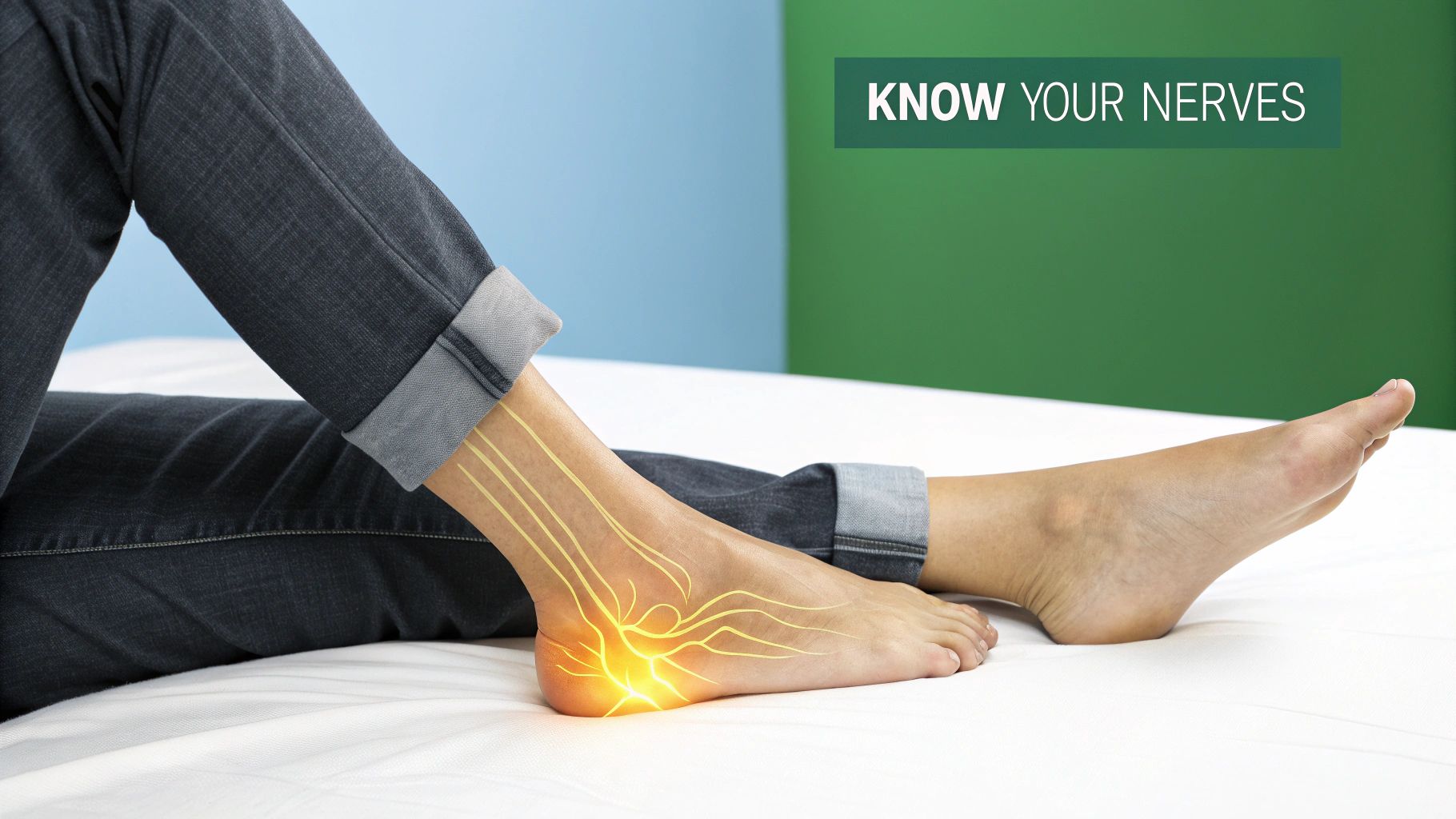
Suddenly, the signals get scrambled. Instead of a clear message about touch or temperature, the damaged nerves send back static, feedback, or just plain wrong information. This is why a bedsheet might feel like sandpaper, or your feet might burn and tingle for no apparent reason. The wiring is faulty, and the signals are getting crossed.
Neuropathy isn't one specific disease. It's the end result of damage to your peripheral nerves, and that damage can come from a surprising number of places. Different underlying health problems can disrupt the environment your nerves need to function properly.
The table below breaks down some of the most common culprits and the symptoms they typically produce. This can help you start connecting the dots between what you're feeling and what might be causing it.
| Common Cause | Primary Symptoms | Key Mechanism of Nerve Damage |
|---|---|---|
| Diabetes | Numbness, tingling, burning pain (often in feet first) | High blood sugar creates inflammation and restricts blood flow, starving nerves of oxygen and nutrients. |
| Chemotherapy | Sharp, shooting pains; loss of sensation | Certain drugs are directly toxic to nerve cells, disrupting their structure and function. |
| Autoimmune Diseases | Weakness, fluctuating pain, sensory loss | The immune system mistakenly attacks the protective myelin sheath around nerves, causing inflammation. |
| Physical Trauma/Injury | Localized pain, numbness, or weakness | Nerves are directly compressed, crushed, or severed, interrupting signal transmission. |
| Vitamin Deficiencies (B12, B6) | Symmetrical numbness and tingling in hands/feet | B vitamins are essential for nerve health and myelin production; a lack thereof weakens the nerves. |
Identifying the specific trigger is the absolute first step toward building a successful pain management plan. After all, you can't fix a problem if you don't know what's causing it.
Relying on medications to simply block the pain is like hitting the mute button on a smoke detector while a fire is still smoldering in the walls. It might bring you some quiet for a little while, but the underlying destruction continues, often getting worse over time.
Peripheral neuropathy affects a staggering 7% of adults globally, manifesting as symptoms that can drastically impair daily life. With nearly 50% of patients experiencing chronic pain, its management remains a critical challenge.
This isn't a rare problem. Disorders of the peripheral nervous system are responsible for 10% of all neurological visits each year, underscoring just how many people are struggling with this. An effective strategy has to go beyond masking the pain. It must focus on creating an environment inside your body that allows the nerves to heal and regenerate—essentially, fixing the wiring instead of just muffling the faulty signals.
When you're dealing with the unrelenting burn, tingle, or stabbing pains of neuropathy, a prescription often feels like the only answer. Doctors frequently turn to drugs like gabapentin and pregabalin as the first line of defense for peripheral neuropathy pain management. These medications work by trying to calm down the chaotic signals your damaged nerves are sending out.
It’s a bit like turning down the volume on a smoke detector that won’t stop shrieking. Sure, the noise is less overwhelming, and you can get through your day. But this approach does absolutely nothing to put out the fire smoldering in the walls. The nerve damage—the real reason the alarm is going off—is still there, and it's often getting worse.
This strategy is all about symptom suppression, not nerve repair. Because of this, many people find the relief they get is frustratingly incomplete. The pain might fade into the background, but it rarely disappears entirely, leaving a constant hum of discomfort that erodes your quality of life.
Relying solely on medication to manage neuropathy often kicks off a discouraging cycle. Over time, your body can get used to the drug, or the underlying nerve damage progresses, making the initial dose less effective. The next logical step is to increase the dose, but that comes with a much higher risk of side effects.
And honestly, many patients tell us the side effects can be just as bad as the pain they were trying to escape. Some of the most common complaints include:
This puts you in an impossible position: live with the nerve pain or live with side effects that make you feel like a shadow of your former self. It’s a clear sign that a strategy focused only on symptoms is fundamentally flawed.
The shortcomings of this conventional drug-first approach are what lead so many people to search for something better. While medications can certainly have a place in getting severe pain under control, they were never designed to be the final word on nerve health.
True, lasting relief from peripheral neuropathy requires a completely different mindset. Instead of just silencing the pain signals, we need to address the reason for the nerve damage and create an environment in your body that supports real healing.
This means getting proactive instead of just passively taking a pill. A real solution involves therapies that help repair the damaged "wiring" and, just as importantly, tackles the root causes—like poor blood sugar control or nutrient deficiencies—that started the problem in the first place.
Ultimately, the goal isn't just to find a better way to mute the alarm. It's to actually put out the fire by repairing nerve tissue, calming inflammation, and restoring proper function. That’s when genuine, long-term relief stops being a long shot and becomes a real possibility.
Simply masking the pain of neuropathy is one thing, but what if we could go further? A truly forward-thinking approach to peripheral neuropathy pain management moves beyond just symptom control and aims to actively repair and regenerate damaged nerves. The goal is to get to the root of the problem by creating the ideal environment for your body’s own healing mechanisms to kick in and rebuild nerve health from the inside out.
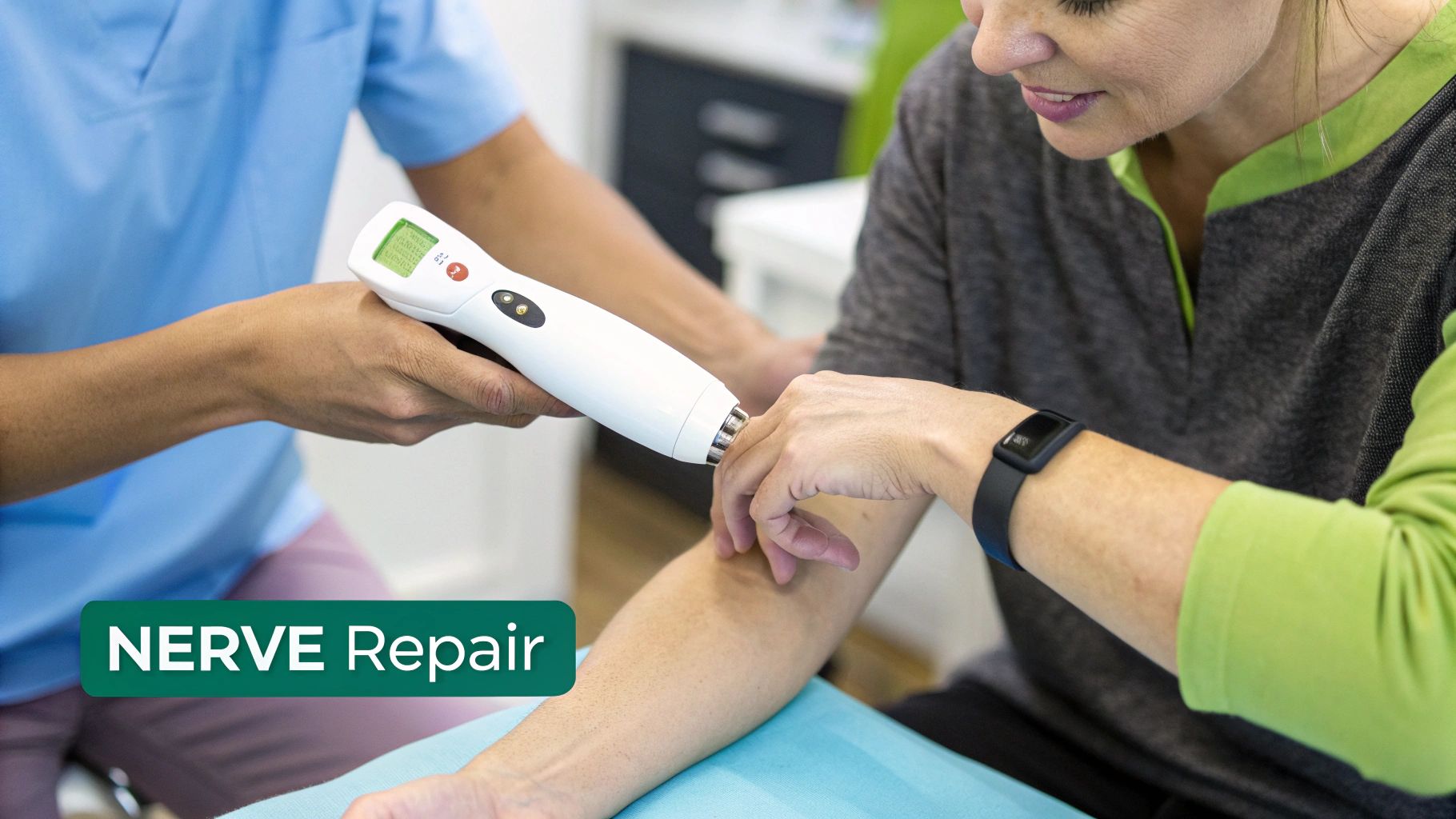
These specialized, non-surgical therapies are designed to tackle the underlying causes of nerve dysfunction head-on—things like inflammation, poor circulation, and cellular damage. By doing so, they offer a path to genuine, lasting relief that medication often can't provide on its own.
Think of your damaged nerve cells as tiny, drained batteries. They’re struggling to hold a charge and just don't have the energy to function correctly, let alone repair themselves. Class IV Cold Laser Therapy acts like a cellular recharger, using specific wavelengths of light to give those cells the power boost they desperately need.
This process, known as photobiomodulation, sends light energy deep into your tissues without any cutting or burning. This light is absorbed by the mitochondria—the powerhouses inside your cells—which triggers a cascade of powerful healing effects:
By essentially "supercharging" your cells, this therapy helps your body mend damaged nerve tissue more effectively. If you want to dive deeper into the science, you can learn more about how cold laser therapy works to promote healing.
Another key strategy is to wake up nerve fibers that have gone dormant or are sending chaotic, jumbled signals. Horizontal Electrical Stimulation is a highly sophisticated therapy that uses specific, bio-effective frequencies to communicate with nerve cells more effectively than traditional methods.
You can think of it as gently retraining the communication lines between your brain and your limbs. By sending a comfortable signal, this therapy can help in a few ways:
This approach is all about restoring clear, consistent communication within your nervous system, a cornerstone of effective peripheral neuropathy treatment.
Sometimes, the problem isn't just at the cellular level—it's mechanical. If a nerve is being physically pinched or compressed where it exits the spine, its signal is going to be weak and distorted. It’s a lot like putting a kink in a garden hose; the flow is choked off.
Spinal Decompression therapy addresses this by gently and precisely stretching the spine. This creates a negative pressure, or vacuum effect, inside the discs, which helps to:
This is a game-changer for people whose neuropathy is caused by conditions like sciatica or degenerative disc disease.
By 2050, projections warn that one-third of 9.7 billion people could have diabetes, with half experiencing neuropathy and half of those suffering neuropathic pain, which will amplify global healthcare costs. Non-pharmacological strategies are gaining traction for their ability to address underlying nerve dysfunction. At practices like Bonesetters Critical Chiropractic, patients find relief through FDA-backed computer-guided adjustments and spinal decompression, techniques rooted in pioneering disc methodologies and validated by top institutions. Discover more insights about the rising prevalence of peripheral neuropathy and the importance of effective treatments.
When combined, these advanced therapies create a powerful synergy. They work together from different angles—reducing inflammation, improving circulation, restoring nerve signals, and relieving physical pressure—to give your body its best chance at true, lasting healing.
While our in-office treatments are designed to tackle nerve damage head-on, what you do every day is just as critical. The choices you make at home can either accelerate your healing or work against it.
Think of it this way: our therapies help repair the damaged wiring, but your diet and lifestyle provide the constant flow of electricity and raw materials needed for those repairs to hold. You have an incredible amount of power to create an internal environment that supports nerve regeneration, making every treatment you receive that much more effective.

It all starts with your plate. Specific nutrients are the literal building blocks for rebuilding the protective myelin sheath around your nerves. Others work to cool down the systemic inflammation that keeps your nerves firing off pain signals. This isn't just about "eating healthy"—it's about strategically fueling your body's own healing mechanisms.
Your mission is to load up on foods that fight inflammation and provide key micronutrients while ditching the things that fan the flames. That means significantly cutting back on processed foods, refined sugars, and unhealthy fats.
High blood sugar is especially destructive to delicate nerve endings, so getting a handle on sugar and refined carbohydrates is non-negotiable, particularly if your neuropathy is linked to diabetes.
"A healthy diet is crucial for nerve health. Nutrients like B vitamins are essential for nerve function and repair, while antioxidants can protect nerves from damage."
Focusing on these key dietary components provides a foundation for nerve repair. For a more detailed guide on this topic, you can explore our article on reversing peripheral neuropathy naturally, which dives deeper into specific nutritional protocols.
The table below outlines some of the most important nutrients and habits, explaining why they matter and giving you simple ways to get them into your daily routine.
| Nutrient / Habit | Benefit for Nerve Health | Practical Example |
|---|---|---|
| B Vitamins (B1, B6, B12) | Absolutely essential for nerve energy, creating neurotransmitters (nerve messengers), and maintaining the protective myelin sheath. Deficiencies are a common cause of neuropathy. | Eat more leafy greens, eggs, and lean meats. For B12, consider fortified foods or high-quality supplements, as it's harder to get from plants. |
| Alpha-Lipoic Acid (ALA) | A powerful antioxidant that helps shield nerve cells from the damage caused by high blood sugar and oxidative stress. | Incorporate spinach, broccoli, and red meat into your diet. Targeted supplementation is often recommended for therapeutic doses. |
| Omega-3 Fatty Acids | These healthy fats are potent anti-inflammatories. They work to reduce the background inflammation that contributes to chronic nerve pain and damage. | Add fatty fish like salmon or mackerel to your weekly meals. Walnuts, chia seeds, and flaxseeds are great plant-based sources. |
| Gentle Daily Movement | Improves blood flow, ensuring a steady supply of oxygen and nutrients reaches damaged nerves, especially in the hands and feet. | Go for a 20-30 minute walk each day, try swimming or water aerobics for low-impact exercise, or practice gentle stretching to improve flexibility. |
Making these simple swaps and additions can make a profound difference. You’re not just managing symptoms; you're actively creating the conditions your body needs to heal.
While a grueling workout might be out of the question, gentle, consistent movement is one of the best things you can do for your nerves. Your circulatory system is the delivery service for your entire nervous system.
Exercise gets the blood flowing, pushing that vital, oxygen-rich supply all the way to the tiny nerve endings in your feet and hands. This improved circulation is crucial for flushing out waste products and delivering the nutrients your nerves are crying out for.
You don't need to run a marathon. In fact, low-impact activities are perfect.
By weaving these nutrition and lifestyle habits into your daily life, you create a powerful healing synergy. You become an active participant in your own recovery, reinforcing our clinical treatments and giving your body its best shot at repairing itself.
The work we do together in the clinic is vital for repairing nerve damage, but what you do between appointments can make all the difference. Think of it as a partnership. Your active participation at home is a huge part of a successful peripheral neuropathy pain management plan. These small, consistent actions you take every day support the healing process, help you manage symptoms, and can even prevent future problems.
This isn't just about finding temporary relief. It's about creating a healing environment for your body that amplifies the benefits of your clinical treatments. By empowering yourself with a few practical techniques, you can take back a measure of control over your comfort and mobility. Simple habits can soothe those aching nerves, reduce pressure on sensitive feet, and, most importantly, improve the blood flow your nerves desperately need to regenerate.
When your feet are numb, it’s frighteningly easy to miss small injuries. A tiny cut, a blister from a new shoe, or a simple sore can go completely unnoticed. For someone with neuropathy, that minor issue can quickly escalate into a serious infection.
This is precisely why a daily foot check needs to become a non-negotiable part of your routine.
Set aside a few minutes each evening to give your feet a thorough inspection. If you have trouble seeing the bottoms, use a mirror. You're looking for anything out of the ordinary:
Catching these things early is one of the most powerful things you can do to avoid serious complications down the road.
Beyond your daily inspection, a few simple strategies can bring immediate comfort and reduce the day-to-day strain on your nerves. These are easy to weave into your life and can have a surprisingly big impact on your pain levels.
A warm bath is a classic for a reason—it can be incredibly soothing for those frayed, aching nerves. Try adding some Epsom salts (magnesium sulfate), which can help relax tense muscles and may provide an extra layer of relief. A word of caution: always test the water temperature with your elbow or wrist first. Make sure it's pleasantly warm, not hot, to prevent accidental burns on areas where your sensation is limited.
Taking an active role in your care through at-home techniques is a cornerstone of effective peripheral neuropathy pain management. It bridges the gap between treatments and empowers you to maintain progress and improve your quality of life every single day.
Also, think about ergonomic support. Placing cushioned mats in front of the kitchen sink or stove can make a world of difference. Always opt for supportive shoes with good arch support, and steer clear of socks or shoes that are too tight, as they can constrict blood flow and put unnecessary pressure on the sensitive nerves in your feet.
Movement is medicine for your nerves, but it has to be the right kind of movement. Gentle stretching is a fantastic way to improve your flexibility and, crucially, boost circulation without making your symptoms worse. Better blood flow means more oxygen and nutrients are delivered to your damaged nerves—the essential building blocks they need for repair.
Here are a few simple stretches you can do while watching TV:
Making these at-home practices part of your daily life reinforces the work we do in the clinic. It creates a complete, 24/7 approach to healing that gives you the best shot at lasting relief.
Living with peripheral neuropathy can feel like an isolating battle, but a future with less pain is absolutely possible. The key is to shift away from the conventional approach of just masking symptoms. Medications often just paper over the problem without ever addressing the actual nerve damage underneath.
Real, lasting progress in peripheral neuropathy pain management comes from a strategy that works with your body to heal itself. It's about combining therapies that kickstart cellular repair with the right nutritional support and lifestyle changes. This creates the perfect environment for your nerves to begin regenerating. It's a strategic, personalized plan for long-term health—not a temporary patch.
A successful recovery always starts with a deep dive into what’s causing your specific nerve damage. This thorough evaluation is non-negotiable; without it, we're just guessing. Pinpointing the root factors is the only way to build a care plan that’s truly tailored to you.
Think of this comprehensive approach as the roadmap for your journey back to a life of comfort and mobility.
Your path to lasting relief is a partnership. It combines evidence-based clinical treatments with your own commitment to supportive at-home care, creating a powerful synergy for healing.
The visual map below breaks down a few simple but incredibly effective self-care steps you can take to support your progress between appointments.
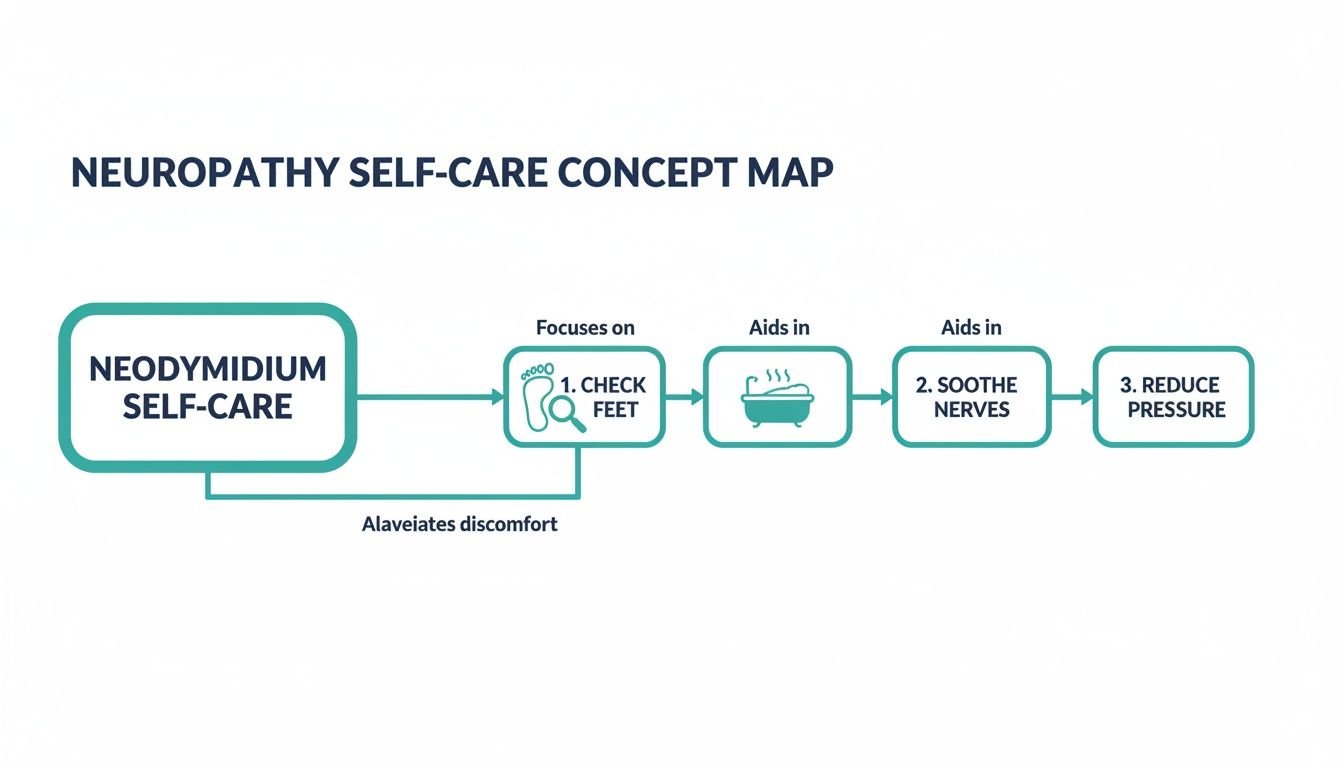
These daily habits—like checking your feet, finding ways to soothe irritated nerves, and reducing pressure on sensitive areas—are foundational. They work hand-in-hand with advanced therapies to help you maintain momentum on your healing journey.
If you’re tired of temporary fixes and ready to explore a strategy aimed at genuine nerve healing, the next step is clear. An evidence-based care plan that integrates the best of clinical innovation with practical, daily support is the key to getting your life back.
This isn't just about managing pain. It’s about restoring function and rebuilding your health from the ground up. Your journey toward a more comfortable, active life starts with the decision to seek a smarter, more complete approach to care. By focusing on the source of the problem, you can finally achieve the meaningful, lasting relief you deserve.
When you're trying to find your way through the world of peripheral neuropathy pain management, you're bound to have questions. It's completely normal to wonder what’s possible, which treatments actually work, and what you can realistically expect as you explore your options. Getting clear, honest answers is the first step toward feeling in control of your health again.
Let's dive into some of the most common questions we hear from our patients. Our aim here is to give you straightforward, evidence-based answers to help you make sense of it all.
This is usually the very first thing people ask, and it’s a big one. While it's true that severe, long-term nerve damage might not be 100% reversible, that doesn't tell the whole story. For many people, significant healing and getting back to a functional life are absolutely within reach.
The trick is to stop thinking about just managing symptoms and start creating an environment where your nerves can actually repair themselves.
Think of it like trying to save a dying houseplant. You could spray the leaves with water to make them look better for a minute—that’s like masking symptoms. Or, you could fix the root of the problem by giving it better soil, the right nutrients, and proper sunlight. That’s when the plant has a real chance to come back to life.
That's exactly what therapies like cold laser and electrical stimulation aim to do for your nerves. They help by calming inflammation, giving your cells an energy boost, and getting blood flowing again. These are the essential building blocks nerves need to regenerate, which can lead to a huge drop in symptoms and a much better quality of life.
For many types of neuropathy, especially when there's a structural issue at play, specialized chiropractic care can be a game-changer. Techniques like spinal decompression, for example, are designed with one goal in mind: to take physical pressure off the nerve roots as they exit your spine. If a nerve is being pinched, it can't send signals correctly, and that's when you get pain, numbness, and weakness.
By gently creating more space for those compressed nerves, we can help restore clear communication lines and improve blood flow. This is key for tackling symptoms that shoot down the arms or legs, because it addresses a mechanical problem that medication alone simply can't touch.
At its core, this approach is about getting your body back into its natural alignment so the nervous system can do its job without interference.
This is a tough one because everyone's timeline is different. How quickly you see results depends on a lot of things: what’s causing your neuropathy, how long you’ve been dealing with it, and just how severe it is. Some people start to feel a change—less pain, more sensation—after just a handful of sessions.
For others, especially those with more widespread damage, it takes a bit longer to achieve lasting improvement. Real, sustainable peripheral neuropathy pain management is a process, not a quick fix. We’ve found that the best and most durable results almost always come from a consistent plan that combines our in-office therapies with the right nutrition and dedicated at-home care.
At Bonesetters Critical Chiropractic, our focus is on building personalized, evidence-based care plans that get to the root cause of your pain. If you're tired of temporary fixes and are ready to start a real healing journey for your nerves, we're here to help. Schedule your comprehensive evaluation today.