
For millions of Americans living with diabetes, the journey often involves more than just monitoring blood sugar levels. It can also mean navigating a complex web of complications, one of the most persistent being diabetic neuropathy.
This condition often starts subtly—a slight tingling in the toes or a moment of numbness in the fingers. Over time, however, it can progress into a debilitating cycle of sharp pains, burning sensations, and muscle weakness that transforms simple daily tasks into significant hurdles.
It's easy to feel isolated when dealing with chronic pain, but early detection and proactive treatment can make a world of difference. Understanding the signals your body is sending is the first step toward reclaiming your comfort and mobility.
Residents of Creve Coeur, MO, are uniquely positioned within a community that offers specialized resources for relief. Whether you have just received a diagnosis or have been managing symptoms for years, knowing your options—from conventional medicine to holistic chiropractic care—empowers you to take control of your health journey.
Diabetic neuropathy is a type of nerve damage that can occur if you have diabetes. High blood sugar (glucose) can injure nerves throughout the body. Diabetic neuropathy most often damages nerves in your legs and feet.
Depending on the affected nerves, symptoms of diabetic neuropathy can range from pain and numbness in your legs and feet to problems with your digestive system, urinary tract, blood vessels, and heart. Some people have mild symptoms. But for others, diabetic neuropathy can be quite painful and disabling.
Over time, high blood glucose levels, along with high levels of fats such as triglycerides, can damage your nerves. High blood glucose also damages the small blood vessels that carry oxygen and nutrients to the nerves. Without enough oxygen and nutrients, the nerves cannot function properly.
This damage stops the nerves from sending messages to different parts of your body. It can also send the wrong signals—sending a pain signal when there is nothing causing pain, or not sending a pain signal when you have an injury.
There are four main types of diabetic neuropathy. You may have just one type or symptoms of several types.
Treatments of Diabetic Neuropathy Creve Coeur MO
While there is currently no known cure for diabetic neuropathy, its progression can be significantly slowed, and symptoms managed, primarily through rigorous blood sugar control.
The most effective way to prevent neuropathy or stop its progression is to keep blood glucose levels as close to the target range as possible. Consistent monitoring allows you to understand how different foods, activities, and stressors affect your levels.
When blood sugar is kept within a healthy range, it protects the blood vessels that supply the nerves. This ensures that nerves receive the oxygen and nutrients they need to remain healthy and function correctly.
Management goes beyond just checking numbers. It involves a holistic approach to health:
Research shows that tight glucose control can reduce neuropathy symptoms by over 60%. Even if you already have some nerve damage, getting your blood sugar under better control can help reduce pain and improve the health of your nerves.
When you visit a general practitioner for diabetic neuropathy, the focus is often on symptom management and preventing further damage.
To manage the pain associated with diabetic neuropathy, doctors often prescribe:
Physical therapy can improve strength and balance, crucial if neuropathy has led to muscle weakness. Trained therapists guide patients through targeted exercises designed to enhance circulation, alleviate pain, and restore mobility. These customized routines help individuals regain confidence in their movements and reduce the risk of falls or further complications.
While these treatments can be effective for many, they often come with limitations. Medications can cause side effects such as dizziness, drowsiness, and swelling. Furthermore, while they mask the pain, they do not necessarily address the root cause of the nerve damage or help regenerate the damaged tissue. This leads many patients to seek complementary therapies that can offer relief without heavy reliance on pharmaceuticals.
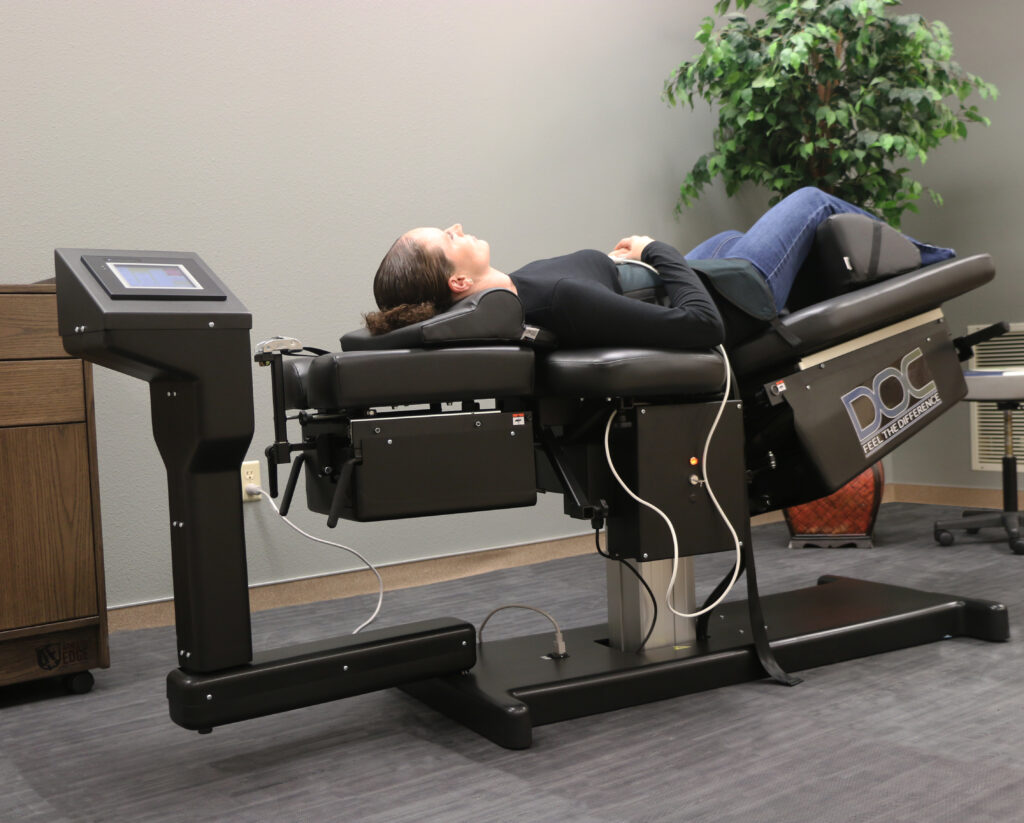
Treatments of Diabetic Neuropathy
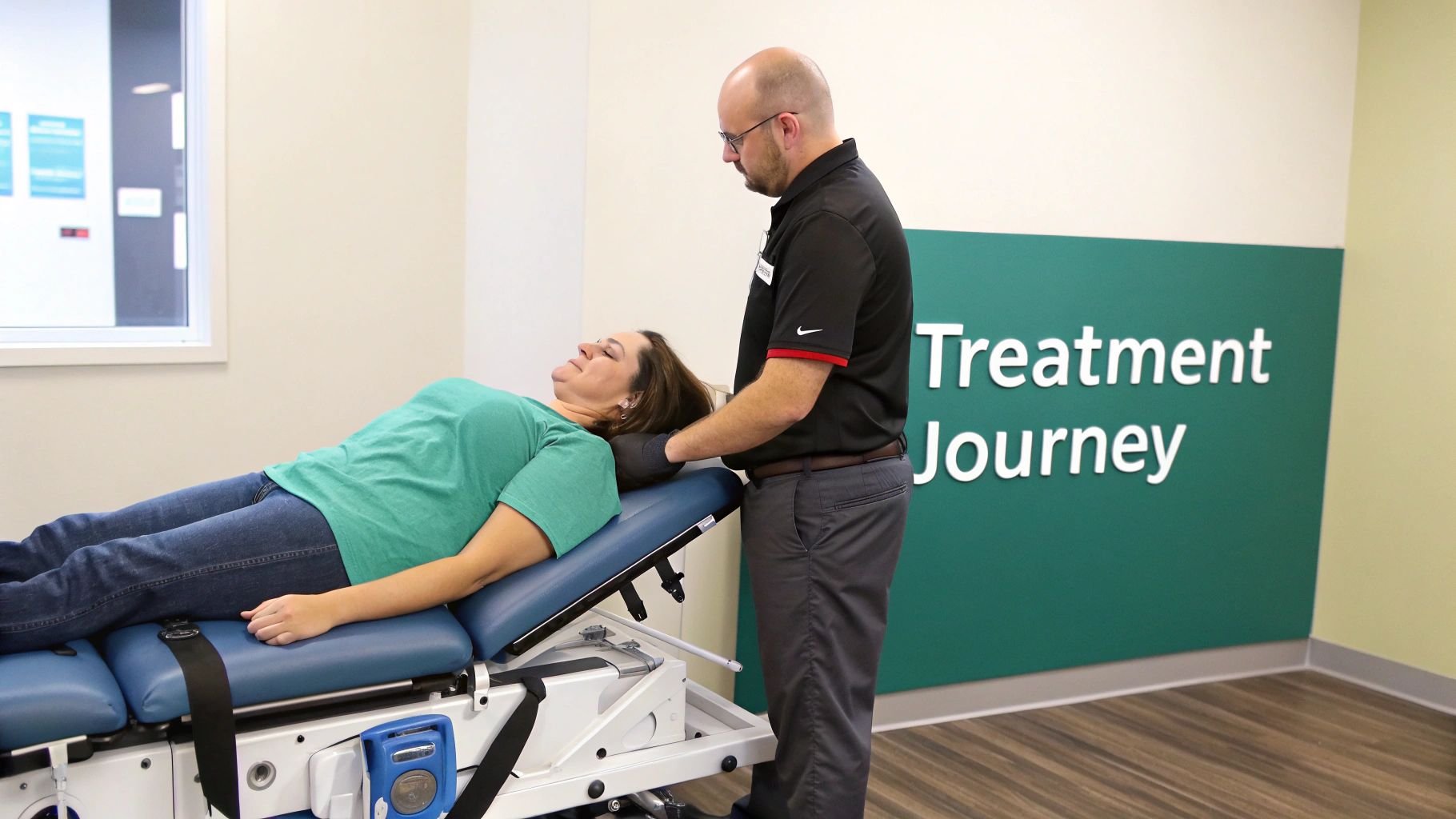
For those seeking a more holistic path to relief, chiropractic care offers a compelling alternative or complement to traditional medicine. Many people associate chiropractors solely with back pain, but their expertise extends to the entire nervous system.
Chiropractors focus on the relationship between structure (primarily the spine) and function (as coordinated by the nervous system). Misalignments in the spine, known as subluxations, can interfere with nerve signals. By correcting these misalignments through spinal adjustments, chiropractors help ensure that the nervous system can communicate effectively with the rest of the body.
For diabetic neuropathy specifically, ensuring that the nerves exiting the spine are not compressed or irritated is crucial. While chiropractic care cannot cure diabetes, removing interference in the nervous system can help the body function better and may improve circulation to the extremities.
Chiropractors often employ a variety of techniques beyond adjustments:
This whole-body approach aligns well with the needs of diabetic patients, who often require comprehensive lifestyle changes to manage their condition effectively.
For residents of Creve Coeur seeking specialized care, Bonesetters represents a leading option for neuropathy treatment. Under the guidance of Dr. Hayes, Bonesetters has established itself as a clinic dedicated to addressing the root causes of pain using advanced methodologies.
The mission at Bonesetters goes beyond temporary relief. They are committed to providing advanced, whole-body chiropractic care that targets the underlying issues contributing to neuropathy. Dr. Hayes and the team understand that neuropathy is not just a collection of symptoms but a systemic issue requiring a targeted response.
Their clinic specializes in treating peripheral neuropathy through evidence-based, personalized treatment plans. They recognize that every patient's experience with diabetes and neuropathy is different, and therefore, cookie-cutter solutions rarely work.
One of the fears many patients have regarding chiropractic care is the idea of forceful cracking or popping. Bonesetters utilizes gentle treatment methods supported by cutting-edge technology. This approach is particularly important for neuropathy patients who may already be dealing with heightened sensitivity to touch and pain.
By using precise, low-force adjustments and advanced therapeutic technologies, they aim to stimulate nerve healing and improve circulation without causing additional distress. The goal is to restore function, improve quality of life, and help every patient reclaim lasting wellness—even when other treatments have failed.
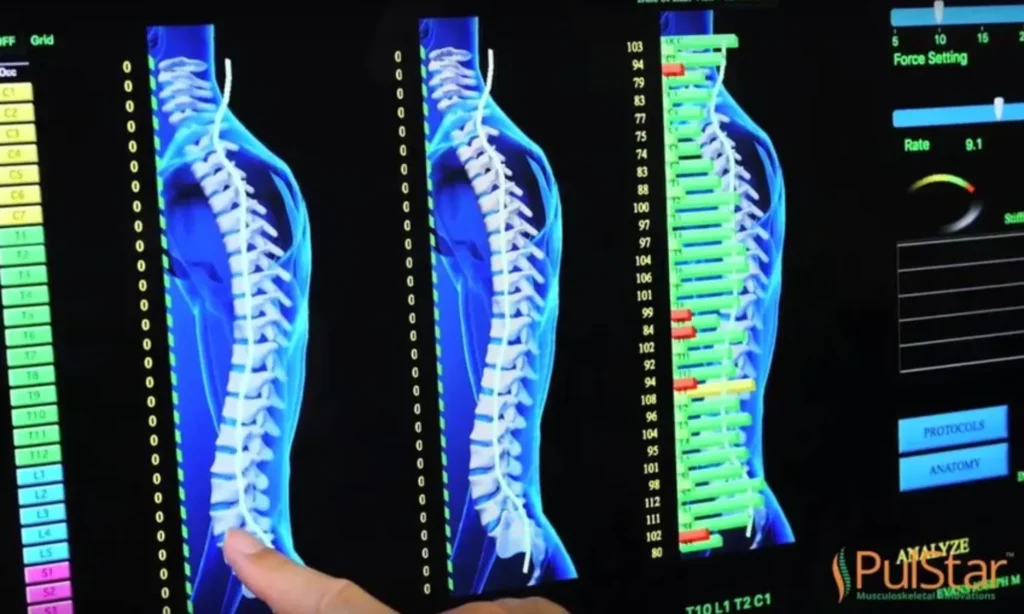
Diabetic Neuropathy Treatment
Regardless of the medical or chiropractic treatments you pursue, lifestyle changes remain the bedrock of managing diabetic neuropathy.
Adopting an anti-inflammatory diet can significantly benefit nerve health. Incorporate foods rich in antioxidants, vitamin B12, and alpha-lipoic acid to support nerve function. Additionally, regular exercise helps control blood sugar levels and boosts blood flow to the legs and feet, which is essential for preventing further nerve damage and promoting overall healing and wellness.
Chronic stress releases hormones that can constrict blood vessels and raise blood sugar levels, exacerbating neuropathy symptoms. Incorporating stress-reduction techniques such as yoga, meditation, or deep breathing exercises can alleviate these effects. These practices promote relaxation, improve circulation, and help regulate blood sugar levels, leading to a positive physical impact on managing diabetic neuropathy effectively.
Because neuropathy often reduces sensation in the feet, injuries can go unnoticed and become infected. Daily foot care is non-negotiable:
Providers like Bonesetters can offer personalized advice on these lifestyle adjustments, tailoring recommendations to your specific mobility levels and health status.
Living with diabetic neuropathy can feel like a losing battle against your own body. The constant discomfort and the fear of losing mobility can be overwhelming. However, resignation is not the only option.
Whether it is numbness keeping you up at night or weakness preventing you from enjoying walks in Creve Coeur beautiful parks, help is available. By combining diligent blood sugar management with specialized care like that offered at Bonesetters, you can alter the trajectory of your condition.
You do not have to accept pain as your new normal. Reclaiming your comfort starts with a single step—reaching out for help. If you are ready to explore how chiropractic care can change your life, consider scheduling a consultation with Bonesetters. Their team is ready to listen to your story, evaluate your needs, and build a plan to get you back on your feet.
Your journey from numbness to relief begins today.