
Living with diabetic neuropathy often feels like walking on a bed of pins and needles, or conversely, walking on nothing at all because your feet have lost sensation. For millions of Americans, this condition is a daily reality that transforms simple tasks—like taking a morning stroll or sleeping through the night—into significant hurdles. The persistent tingling, burning pain, and numbness can feel isolating, leaving you wondering if relief is even possible.
If you are navigating life with diabetes in Ballwin, MO, you already know that managing blood sugar is a full-time job. But when nerve damage begins to set in, that job becomes infinitely harder. Many patients feel resigned to the idea that neuropathy is just an inevitable decline associated with their condition. They are told to manage the pain with medication and simply "live with it."
However, the narrative around diabetic neuropathy is changing. It is no longer just about enduring symptoms; it is about addressing the root causes to restore function and quality of life. In Ballwin, a growing community of health-conscious individuals and specialized practitioners are exploring advanced, non-invasive treatments that go beyond the prescription pad. Relief is not just a hope—it is a tangible goal.
To effectively treat a condition, you must first understand what is happening beneath the surface. Diabetic neuropathy is a type of nerve damage that can occur if you have diabetes. High blood sugar (glucose) can injure nerves throughout your body. Diabetic neuropathy most often damages nerves in your legs and feet.
Depending on the affected nerves, diabetic neuropathy symptoms can range from pain and numbness in your legs and feet to problems with your digestive system, urinary tract, blood vessels, and heart. Some people have mild symptoms. But for others, diabetic neuropathy can be quite painful and disabling.
Doctors typically classify diabetic neuropathy into four main categories. Understanding which type you might have is the first step toward effective treatment.
This is the most common form of diabetic neuropathy. It usually affects the feet and legs first, followed by the hands and arms. It is often worse at night. The symptoms are distinct and often uncomfortable, including:
The autonomic nervous system controls your heart, bladder, stomach, intestines, sex organs, and eyes. Diabetes can affect nerves in any of these areas, leading to:
This type of neuropathy typically affects nerves in the thighs, hips, buttocks, or legs. It can also affect the abdominal and chest area. Symptoms are usually on one side of the body, but may spread to the other side. You may experience:
There are two types of focal neuropathy: cranial and peripheral. Focal neuropathy refers to damage to a specific, single nerve. It often comes on suddenly and can cause severe pain. However, it usually improves over a few weeks or months and does not cause long-term damage.
Treatments of Diabetic Neuropathy Ballwin MO
It is impossible to discuss nerve health without addressing the primary driver of diabetic neuropathy: blood sugar. Think of high glucose levels in the blood as being toxic to your nerves. Over time, elevated blood sugar weakens the walls of the small blood vessels (capillaries) that supply the nerves with oxygen and nutrients. Without this vital supply, the nerves become damaged and eventually lose their ability to transmit signals effectively.
Maintaining healthy blood sugar levels is the single most effective way to prevent neuropathy or slow its progression. When blood sugar fluctuates wildly, it creates oxidative stress that accelerates nerve damage. Consistency is key. Keeping your A1C levels within the range recommended by your doctor can significantly reduce your risk.
While blood sugar management is crucial, it is often a preventative measure rather than a cure for existing damage. Once the nerves are damaged, bringing blood sugar down might stop further injury, but it may not immediately reverse the numbness or pain. That is where targeted therapies come into play.
If you visit a general practitioner for neuropathy symptoms, the treatment path is often standardized. The primary goal of conventional medicine in this context is usually symptom management rather than repair.
The first line of defense is typically medication. Doctors often prescribe:
Physical therapy can help improve muscle strength and balance, which is vital if neuropathy has caused muscle weakness or numbness that affects your gait.
While these treatments have their place, they often come with limitations. Medications can cause significant side effects, including drowsiness, dizziness, and swelling. More importantly, they function largely as a "mask." They dampen the pain signal sent to the brain, but they do not necessarily improve the health of the nerve or the blood flow to the affected area. For many patients, the medication eventually loses effectiveness, leading to higher dosages and diminishing returns.

Treatments of Diabetic Neuropathy
Many people associate chiropractic care solely with back pain or neck stiffness. However, chiropractic medicine is fundamentally about the nervous system. Since neuropathy is a condition of the nervous system, chiropractic care offers a unique and highly effective avenue for treatment that complements traditional medical approaches.
The spine protects the spinal cord, which is the main highway for nerve signals in the body. Misalignments in the spine, known as subluxations, can cause interference in these signals. While a spinal adjustment won't "cure" diabetes, correcting these misalignments ensures that the nervous system is functioning without interference. This can improve the body's overall ability to heal and regulate itself.
One of the critical components of neuropathy is poor circulation. Nerves die when they are starved of oxygen. Chiropractic adjustments and associated therapies are designed to mobilize the body, reduce inflammation, and improve circulation. By enhancing blood flow to the extremities, you provide the damaged nerves with the oxygen and nutrients they desperately need to repair themselves.
For patients tired of the side effects of medication, chiropractic care offers a drug-free alternative. It focuses on the body's structural integrity and its innate ability to function. This approach is particularly appealing for diabetic patients who are often already managing a complex regimen of medications for blood sugar, blood pressure, and cholesterol.
For residents of Ballwin and the broader St. Louis area, finding a clinic that specializes in the intricate relationship between the spine, the nerves, and chronic conditions like neuropathy is essential. This is where Bonesetters, led by Dr. Hayes, stands out.
Bonesetters is not your typical "crack and pop" chiropractic office. The clinic operates on a mission to provide advanced, whole-body chiropractic care. The philosophy here is simple yet profound: target the root causes of pain, not just the symptoms. Dr. Hayes and his team understand that neuropathy is multifaceted, requiring a treatment plan that looks at the whole patient.
The clinic specializes in treating peripheral neuropathy through evidence-based, personalized treatment plans. They recognize that no two diabetic patients are alike. One patient may suffer from severe burning pain, while another deals with total numbness and balance issues.
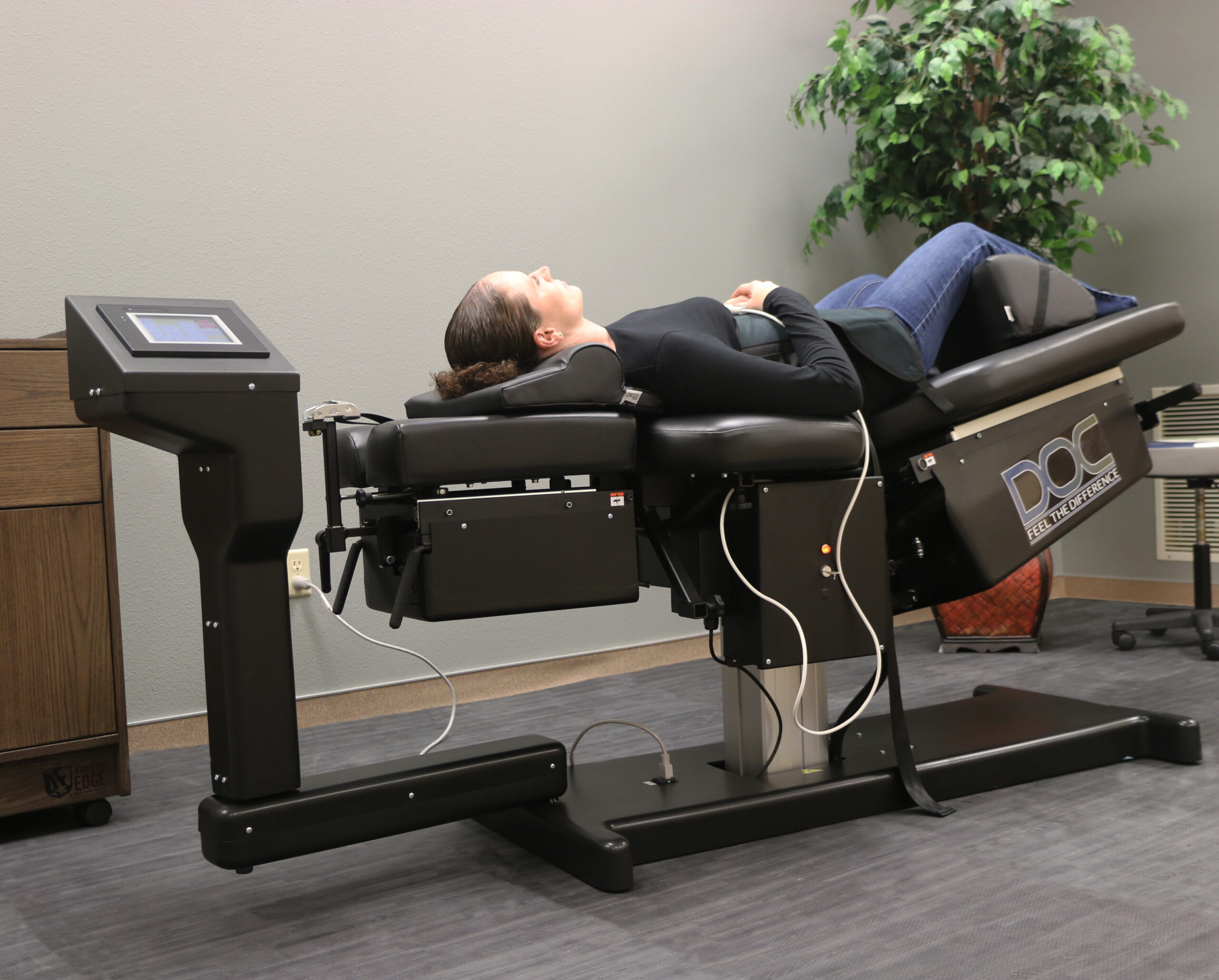
At Bonesetters in Ballwin, the treatment utilizes cutting-edge technology designed to be gentle yet effective. This is crucial for neuropathy patients who may be hypersensitive to touch. The goal is to stimulate nerve healing and improve circulation without causing additional discomfort during the process.
Perhaps the most encouraging aspect of the Bonesetters approach is their track record with difficult cases. Their goal is to restore function, improve quality of life, and help every patient reclaim lasting wellness—even when other treatments have failed. If you have been told that you just have to "live with" the pain, Dr. Hayes and his team offer a second opinion and a new path forward.
While professional diabetic neuropathy treatment at a clinic like Bonesetters is vital, what you do at home plays a significant supportive role. Integrating specific lifestyle changes can amplify the results of your chiropractic care.
Beyond just managing blood sugar, your nerves need specific nutrients to repair. Vitamin B-12 is essential for nerve health. Lower levels of B-12 can worsen neuropathy. Alpha-lipoic acid, an antioxidant found in foods like spinach and broccoli, has also shown promise in reducing nerve pain.
When you have neuropathy, your feet are vulnerable. Because sensation is diminished, you might not feel a blister, a pebble in your shoe, or a small cut. These minor injuries can turn into serious infections if left unnoticed.
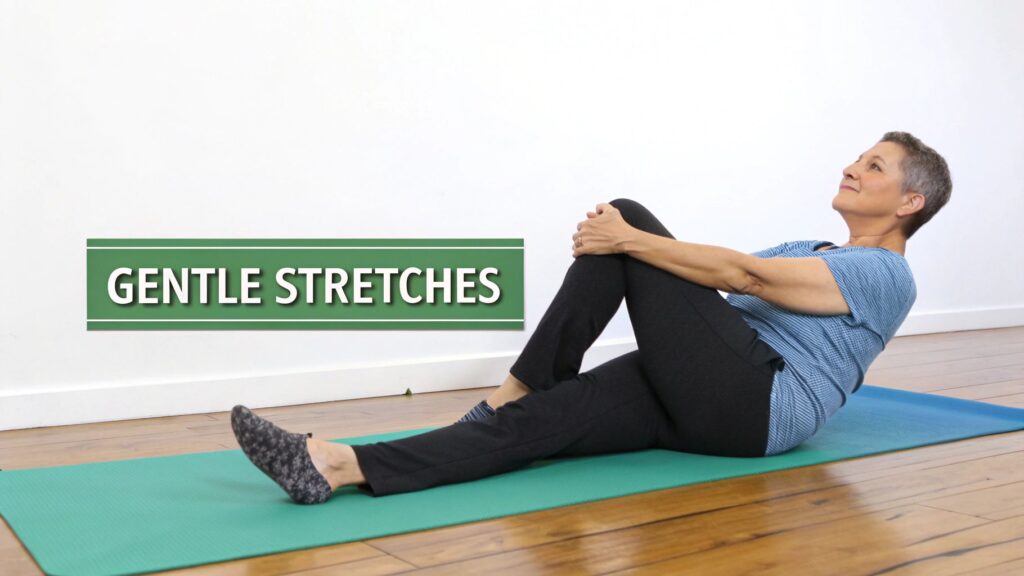
Chronic pain causes stress, and stress makes pain perception worse. It is a vicious cycle. Techniques such as deep breathing, meditation, or gentle yoga can help calm the nervous system. Dr. Hayes and his team often provide personalized advice on lifestyle adjustments that fit your specific mobility levels and health status.
Diabetic Neuropathy Treatment
Living with diabetic neuropathy can feel isolating. The fear of falling, the interruption of sleep, and the constant discomfort can shrink your world. But it doesn't have to be this way. The medical community's understanding of nerve health has advanced, and effective, non-invasive solutions are available right here in Ballwin, MO.
You do not have to accept numbness or pain as your permanent reality. By combining rigorous blood sugar management with specialized, restorative care, you can halt the progression of nerve damage and start regaining the sensation and stability you have lost.
If you are ready to explore a treatment plan that addresses the root cause of your neuropathy rather than just masking the symptoms, it is time to reach out to professionals who understand the condition deeply.
Schedule a consultation with Bonesetters in Ballwin today. Let Dr. Hayes and his team evaluate your specific condition and design a personalized plan to help you get back on your feet—pain-free. Reclaiming your comfort and your quality of life starts with that first appointment.