
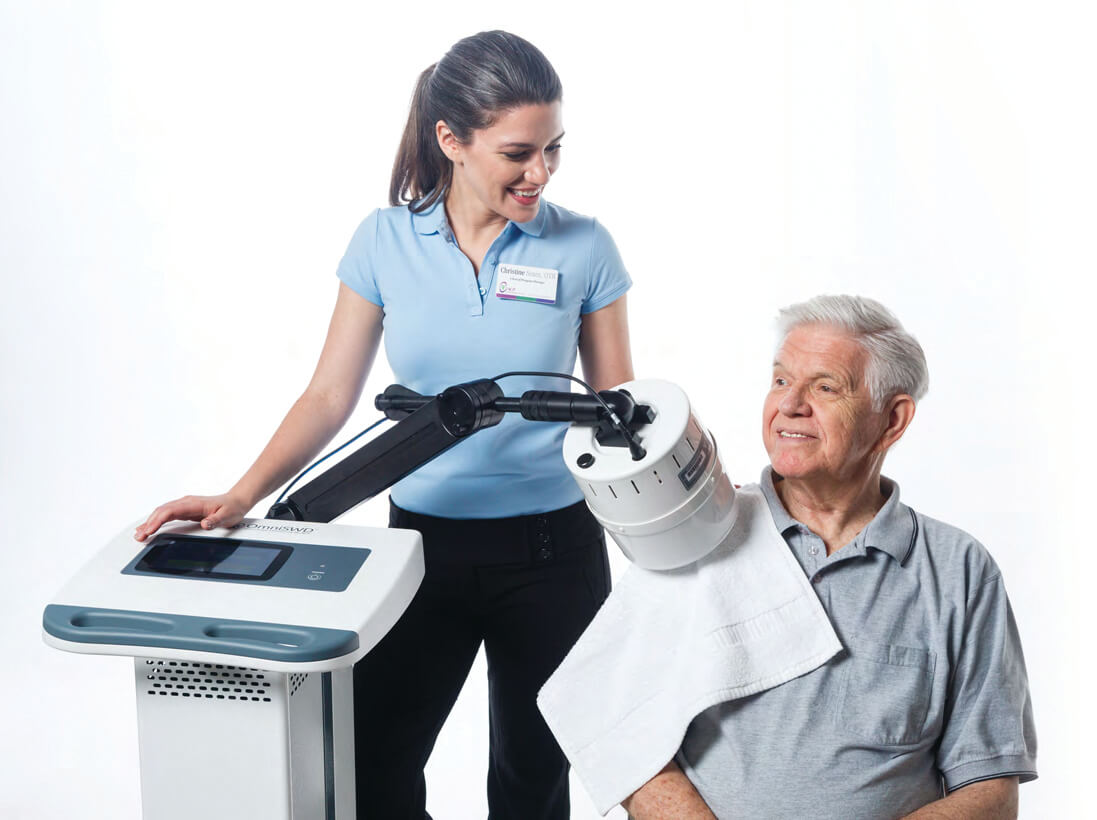
If you’ve ever felt like you’re walking on pins and needles, or conversely, like you’re walking on cotton balls with no sensation at all, you might be experiencing the unsettling reality of neuropathy. It’s a condition that doesn't just physically hurt; it disrupts the very rhythm of your daily life. Simple joys like an evening stroll or playing with grandchildren can become daunting tasks shadowed by pain or the fear of injury.
Diabetic neuropathy is a serious complication of diabetes that affects up to 50% of people with the disease. It creeps up silently, often starting with a slight tingle in the toes before progressing to more severe symptoms. Early detection is paramount. The sooner you address these nerve signals—or lack thereof—the better your chances of preventing irreversible damage.
Residents of Ladue, MO, don't have to face this journey alone. Our community is home to specialized resources and dedicated practitioners committed to helping you find relief. This guide explores the depths of diabetic neuropathy, from understanding its mechanics to discovering effective treatments available right here in Ladue, including innovative chiropractic care at Bonesetters.
To effectively combat a condition, you must first understand it. Diabetic neuropathy is a type of nerve damage that can occur if you have diabetes. High blood sugar (glucose) can injure nerves throughout the body. While it can damage nerves anywhere, diabetic neuropathy most often damages nerves in your legs and feet.
Depending on the affected nerves, symptoms of diabetic neuropathy can range from pain and numbness in your legs and feet to problems with your digestive system, urinary tract, blood vessels, and heart. Some people have mild symptoms. But for others, diabetic neuropathy can be quite painful and disabling.
Over time, high blood glucose levels, and high levels of fats, such as triglycerides, in the blood from diabetes can damage your nerves. High blood glucose damages the delicate nerve fibers themselves, but it also damages the small blood vessels (capillaries) that supply the nerves with oxygen and nutrients. Without enough oxygen and nutrients, the nerves cannot function properly. They may stop sending signals, send signals at the wrong times, or send signals too slowly.
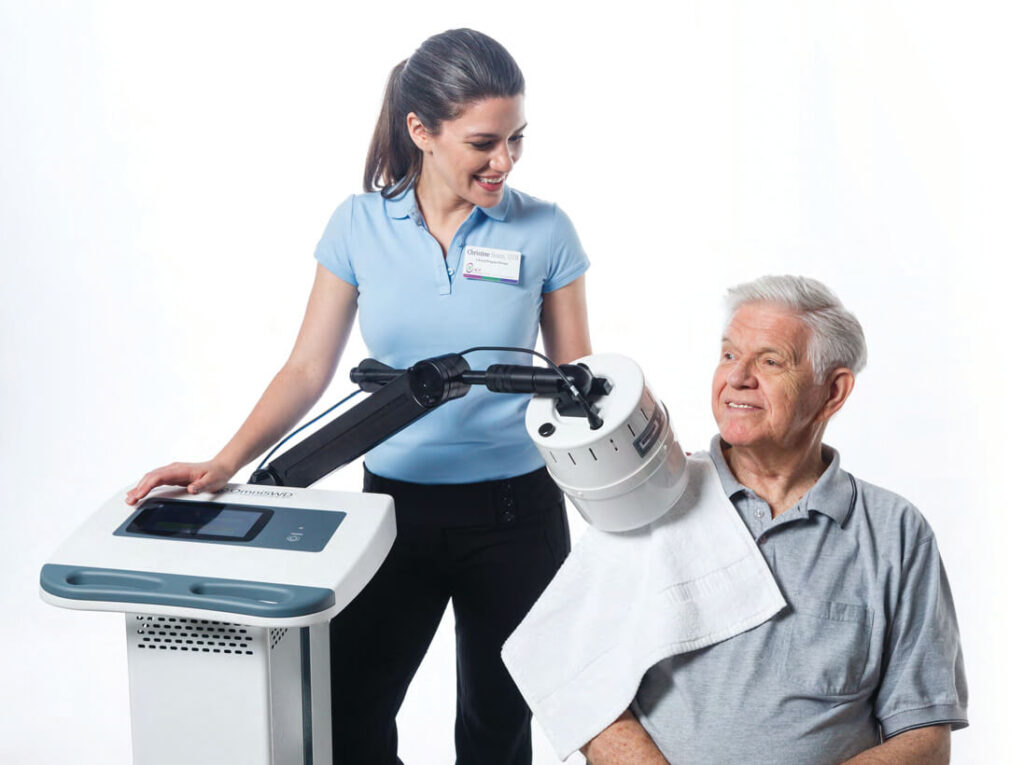
Treatments of Diabetic Neuropathy Ladue MO
There are four main types of diabetic neuropathy. You may have just one type or symptoms of several types. Most develop gradually, and you may not notice problems until considerable damage has occurred.
The symptoms depend on the type of neuropathy and which nerves are affected. For peripheral neuropathy—the focus for many seeking pain relief—common symptoms include:
While treatments exist to manage pain and improve function, the cornerstone of neuropathy prevention and management remains blood sugar control. Think of glucose management as the brake pedal for neuropathy progression. If your blood sugar remains consistently high, you are essentially keeping your foot on the gas, accelerating nerve damage.
Keeping your blood sugar within your target range can help delay or prevent diabetic neuropathy. It can also stop existing nerve damage from getting worse. The American Diabetes Association generally recommends the following targets for most non-pregnant adults with diabetes:
However, targets vary for each person, so it is crucial to work with your doctor to determine the right numbers for you.
Effective management requires a multi-faceted approach.
It is important to understand that while blood sugar management can stop the damage from getting worse, it doesn't necessarily reverse existing nerve damage immediately. Nerves heal very slowly. However, significant improvements in blood sugar control often lead to a reduction in neuropathic pain over time and prevent the condition from spiraling into more severe complications like foot ulcers or infections.

Treatments of Diabetic Neuropathy
If you visit a primary care physician or a specialist for diabetic neuropathy, the first line of defense usually involves managing the pain and addressing the metabolic issues.
While these treatments can be effective for symptom management, they often come with downsides. Medications can have significant side effects, including dizziness, drowsiness, and swelling. More importantly, many pharmaceutical approaches act as a "mask," covering up the pain without addressing the underlying dysfunction of the nerves. Patients may find themselves on higher and higher doses as their bodies adapt, still struggling with the root cause of their discomfort. This has led many in the Ladue area to seek complementary and alternative therapies that aim for restoration rather than just suppression.
When people think of chiropractic care, they often think of back pain or neck adjustments. However, chiropractic care focuses on the nervous system as a whole, making it a powerful ally in the fight against neuropathy.
Chiropractic care works excellently alongside traditional medical treatments. It doesn't require you to stop your current medications or insulin regimen. Instead, it adds a layer of structural and neurological support that medication alone cannot provide.
The nervous system controls every function in your body. Signals travel from the brain, down the spinal cord, and out to the rest of the body. If there are misalignments in the spine (subluxations), these signals can be disrupted or distorted.
For a diabetic patient whose nerves are already compromised by high blood sugar, spinal misalignments add insult to injury. By correcting these misalignments, chiropractors help ensure that the neural pathways are as clear as possible. This improved alignment can enhance blood flow and reduce inflammation, creating a better environment for nerves to heal and function.
Chiropractors look at the whole person, not just the feet or hands. A chiropractor might address hip alignment to improve how you walk, reducing stress on numb feet. They might use soft tissue therapies to reduce muscle tension caused by altered gait. This comprehensive view helps improve overall mobility and reduces the risk of falls—a major concern for those with numbness in their legs.
For those seeking a specialized, compassionate approach to neuropathy in the Ladue area, Bonesetters offers a path forward. Led by Dr. Hayes, the clinic has established itself as a leader in treating complex pain conditions by looking beyond the symptoms to find the root cause.
The mission at Bonesetters is clear: to provide advanced, whole-body chiropractic care that targets the root causes of pain. Dr. Hayes and his team understand that diabetic neuropathy is multifaceted. It isn't just a foot problem; it is a systemic issue requiring a comprehensive solution.
Bonesetters specializes in treating peripheral neuropathy through evidence-based, personalized treatment plans. Unlike a standard medical appointment where you might receive a prescription and a follow-up in six months, the approach here is hands-on and consistent.
The clinic utilizes gentle treatment methods supported by cutting-edge technology. This is particularly important for neuropathy patients who may be extremely sensitive to touch. The goal is to restore function and improve quality of life, helping every patient reclaim lasting wellness—even when other treatments have failed. By combining specific chiropractic adjustments with therapies designed to rehabilitate the nerves, Bonesetters offers hope where there was once frustration.

Diabetic Neuropathy Treatments
Treatment in the clinic is only part of the equation. What you do at home plays a massive role in your recovery and management.
We've touched on blood sugar, but general nutrition goes further. Foods rich in Vitamin B-12 are crucial for nerve health. Omega-3 fatty acids can help reduce inflammation. Regular, low-impact exercise like swimming or stationary cycling keeps blood circulating to those distant nerve endings in the toes without putting them at risk of trauma.
Chronic stress releases cortisol, which disrupts blood sugar regulation and increases inflammation, ultimately exacerbating nerve pain. Stress management techniques like meditation, deep breathing, or engaging in enjoyable hobbies can significantly reduce cortisol levels. These practices not only improve emotional well-being but also serve as an effective, natural way to manage pain and enhance overall health.
If you have neuropathy, your feet are vulnerable. Because you may not feel cuts or blisters, daily inspection is non-negotiable.
Living with diabetic neuropathy can feel isolating. The constant vigilance required to walk safely, the sleepless nights caused by pain, and the fear of injury can shrink your world. But numbness does not have to be your new normal.
If you have been told that your only option is to manage the pain with medication, it is time to look for a second opinion that focuses on restoration. Dr. Hayes and the team at Bonesetters in Ladue, MO, are ready to help you understand the severity of your condition and build a roadmap back to a more active, comfortable life.
Do not wait for the symptoms to become irreversible. Early intervention is key to saving nerve function.
Ready to reclaim your comfort?
Schedule a consultation with Bonesetters today. Let us help you get back on your feet—pain-free.
Bonesetters: Critical Care Chiropractic Clinic
https://maps.app.goo.gl/ekdeZy1WhR7UTJNPA
15510 Olive Blvd, Chesterfield, MO 63017
(636) 735-3599
https://bonesetters.org/