

If you suffer from migraines, you know they are far more than just "bad headaches." They are whole-body events that can steal days from your life. The throbbing pain, sensitivity to light and sound, and nausea can make even the simplest tasks feel impossible. For many, the experience is isolating and exhausting.
You might find yourself lying in a dark room at 2 AM, scrolling through your phone with the brightness turned all the way down, searching for "migraine treatment near me" in hopes of finding something—anything—that will stop the pain. You are not alone in this search, and more importantly, you don't have to resign yourself to a life interrupted by pain.
While medication is the standard route for many, it often only addresses the symptoms rather than the root cause. This guide explores the nature of migraines, why they happen, and how specialized chiropractic care at Bonesetters offers a path toward lasting relief.
To treat a migraine effectively, you first have to understand the mechanism behind the pain. Unlike a tension headache, which is often muscular, a migraine involves a cascade of neurological and vascular changes in the brain.
While the exact science is still being mapped, researchers believe migraines involve nerve pathways and brain chemicals. Changes in the brainstem and its interactions with the trigeminal nerve, a major pain pathway, are likely involved. Imbalances in brain chemicals, including serotonin, which helps regulate pain in your nervous system, also play a role.

Migraine Treatment Service Provider
While the neurological predisposition exists, specific triggers usually launch the attack. These vary wildly from person to person, but common culprits include:
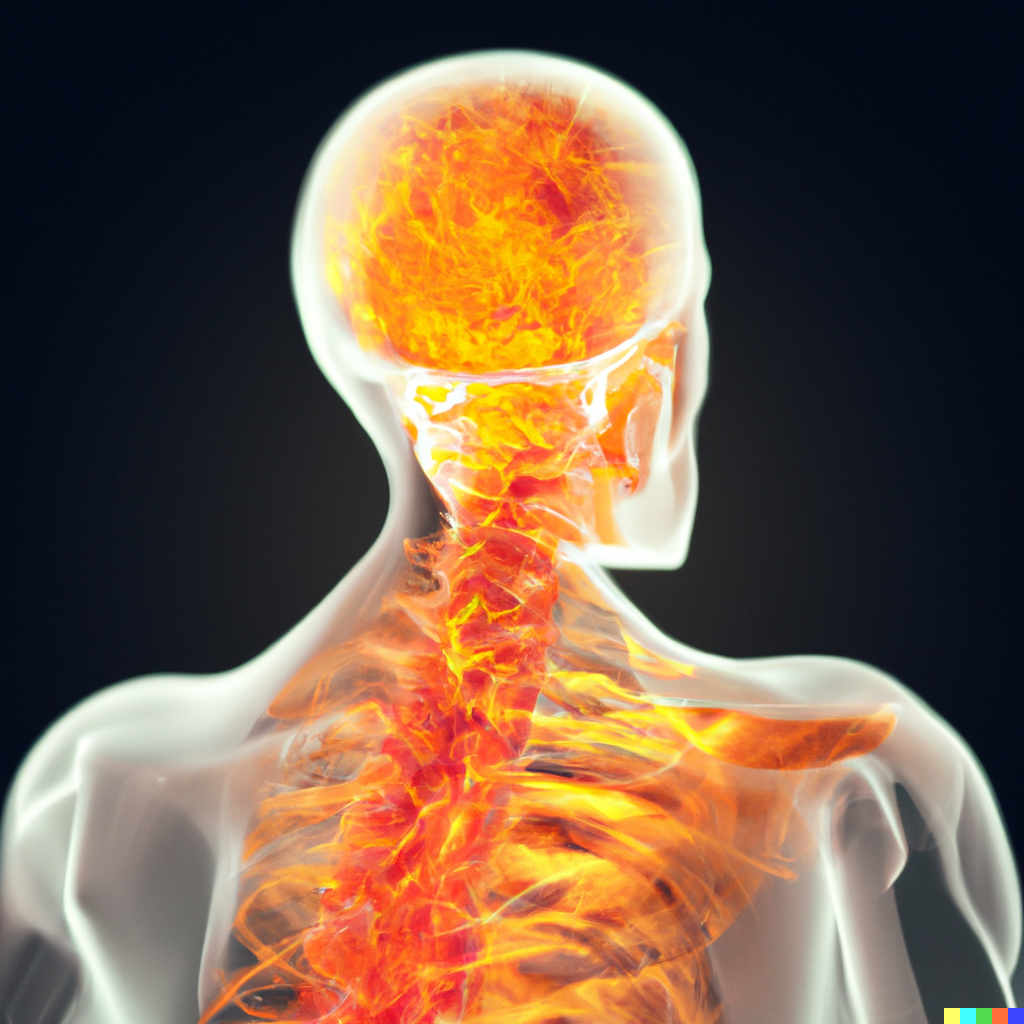
One significant, often overlooked trigger is physical stress on the spine. Poor posture, "tech neck" (looking down at phones for hours), and spinal misalignments can irritate the nerves traveling up the neck and into the head. When the vertebrae in the upper neck (cervical spine) lose their normal motion or position, they can interfere with the intricate communication between the nervous system and the vascular system, creating a perfect storm for migraine onset.
For decades, the standard of care for migraines has been pharmaceutical. The goal of this approach is usually twofold: acute treatment (stopping a migraine once it starts) and preventive treatment (reducing the frequency of attacks).
For mild migraines, drugs like ibuprofen, aspirin, or acetaminophen are often the first line of defense. While they can dull the edge of the pain, they rarely address the neurological storm occurring in the brain. Furthermore, relying on them too frequently can lead to medication-overuse headaches, creating a vicious cycle of pain.
Triptans are a class of drugs designed specifically for migraines. They work by blocking pain pathways in the brain. While effective for many, they come with side effects like dizziness, drowsiness, and muscle weakness. They also do not prevent the migraine from happening; they only attempt to abort it once it has begun.
Preventative medications, such as beta-blockers or anti-seizure drugs, are prescribed for chronic sufferers. These are daily medications that alter body chemistry to reduce attack frequency. However, many patients are wary of the long-term side effects and the idea of being dependent on daily medication.
The primary drawback of a purely pharmaceutical approach is that it treats the body as a chemical equation to be balanced, rather than a mechanical structure to be aligned. If the root cause of your migraine stems from nerve interference in the neck or severe muscle tension restricting blood flow, no amount of medication will permanently fix the issue. This is where the need for a structural, holistic solution becomes apparent.
Chiropractic care offers a non-invasive, drug-free alternative that targets the physical root causes of migraine pain. The philosophy is simple: if the structure of your body (the spine) is aligned, the function of your body (the nervous system) can operate without interference.
The upper two vertebrae in the neck, the atlas and the axis, are particularly mobile and susceptible to misalignment. Because these vertebrae surround the brainstem, even a minor misalignment here can cause significant neurological distress. Dr. Hayes at Bonesetters focuses on identifying these subluxations (misalignments). By performing gentle, precise adjustments, chiropractic care restores proper alignment, reducing the pressure on the nerves that may be triggering the migraine response.
Muscle tension in the neck and shoulders often accompanies spinal misalignment. This tension can restrict blood flow to the brain. Correcting the spinal mechanics allows the muscles to relax, improving circulation and ensuring the brain receives adequate oxygen and nutrients.
In an era where we spend hours hunched over keyboards and smartphones, our posture has suffered immensely. This forward-head posture places enormous strain on the cervical spine—up to 60 pounds of pressure depending on the angle. Regular chiropractic care helps correct these postural distortions, removing the chronic strain that often serves as a silent migraine trigger.

Migraine Treatment Service
At Bonesetters, we don't believe in a one-size-fits-all approach to pain. Under the guidance of Dr. Hayes, our team focuses on identifying the specific structural and lifestyle factors contributing to your condition.
Your journey begins with a comprehensive evaluation. Dr. Hayes will review your medical history and discuss your specific symptoms. We look at your posture, spinal alignment, and range of motion to identify areas of restriction or tension.
Based on this assessment, we create a personalized care plan. This typically involves gentle spinal adjustments designed to correct misalignments in the cervical spine. We may also utilize soft tissue therapy to relax tight muscles in the neck and shoulders that often accompany chronic migraines.
Our goal isn't just to stop the pain you are feeling today, but to strengthen your body so it is less susceptible to triggers in the future.
While chiropractic adjustments are a powerful tool, lasting relief involves a partnership between the doctor and the patient. Dr. Hayes and the Bonesetters team often recommend specific lifestyle modifications to support your recovery.
Dehydration is a massive trigger for headaches. Increasing your water intake is the simplest, most effective change you can make. Additionally, maintaining stable blood sugar levels by eating regular, protein-rich meals can prevent the dips and spikes that trigger attacks. Some patients find relief by supplementing with magnesium, which helps relax blood vessels and muscles.
Since stress is a primary trigger, learning to manage it is medicinal. This doesn't mean quitting your job, but rather changing how your body reacts to pressure. Techniques like deep diaphragmatic breathing, meditation, or even a daily 20-minute walk can lower cortisol levels and reduce the likelihood of a stress-induced migraine.
If you work at a desk, your setup matters. Your monitor should be at eye level so you aren't looking down. Your feet should be flat on the floor, and your chair should support your lumbar spine. Taking "micro-breaks" every 30 minutes to stretch your neck and shoulders can prevent the accumulation of tension that leads to a migraine.
The migraine brain craves routine. Going to bed and waking up at the same time every day—even on weekends—helps regulate your circadian rhythms. Ensure your sleeping environment is cool and dark, and invest in a pillow that keeps your neck in a neutral position throughout the night.
Migraine Treatment
When you are in the throes of a migraine, the urgency to find "migraine treatment near me" is high. However, taking a moment to evaluate your options can save you time and pain in the long run.
When looking for a migraine treatment provider, prioritize clinics that take a comprehensive diagnostic approach. You want a provider who asks why the headache is happening, rather than just asking where it hurts. Look for:
At Bonesetters, the track record speaks for itself. By combining advanced chiropractic techniques with a compassionate, patient-centered approach, Dr. Hayes has helped countless individuals reclaim their lives from the grip of chronic migraines.
Living with migraines can feel like you are constantly waiting for the other shoe to drop. But pain does not have to be your permanent reality. By addressing the root causes—whether they are spinal misalignments, posture issues, or lifestyle triggers—you can reclaim control over your health.
Chiropractic care offers a safe, effective path to relief that doesn't rely on medication. If you are ready to stop managing symptoms and start healing, Dr. Hayes and the team at Bonesetters are here to help.
Don't spend another day in the dark. Schedule your consultation today and see how clear life can be.
Bonesetters: Critical Care Chiropractic Clinic
https://maps.app.goo.gl/ekdeZy1WhR7UTJNPA
15510 Olive Blvd, Chesterfield, MO 63017
(636) 735-3599
https://bonesetters.org/